
Executive Summary
The 2026 Tulum real estate market presents distinct value-add prospects for disciplined capital, primarily driven by long-term urban stabilization initiatives such as the PIMUS mobility plan and updated PDU zoning. Investors can capitalize on discounted completed projects in established zones, leveraging a median price of $3,040/m² to secure premium assets below peak valuations. Furthermore, the broader tourism sector remains robust, evidenced by hotel occupancy rates exceeding 90%, indicating sustained fundamental demand for the destination.
Conversely, the market is currently navigating a severe structural correction characterized by a massive oversupply of condominiums and a bloated total inventory of 6,181 units. Speculative capital faces extreme execution risk due to lagging municipal infrastructure, a 40% contraction in sales volume, and an estimated 3 to 4 years of clearing inventory. Additionally, the short-term rental sector is highly saturated, with vacation rental occupancies stagnating between 40% and 56%, compressing real net cap rates to a marginal 1.5% to 4%.
Tulum is currently classified as a distressed, high-inventory buyer's market requiring stringent asset-level underwriting and a pivot away from speculative pre-construction.
✅ Tailwinds
- + Price corrections of 8% to 12% in premium zones offer better entry points for investors compared to the 2022 peak.
- + Ongoing development of the PIMUS mobility plan and PDU updates aim to address long-term infrastructure and zoning deficits.
- + Overall tourism demand remains robust, with traditional hotel occupancy exceeding 90% during peak seasons.
⚠️ Headwinds
- ! SEDETUS has issued official alerts for over 26 real estate developments in Tulum operating illegally without proper permits.
- ! A massive condo oversupply has created 3 to 4 years of inventory, dropping sales volume by 40% and compressing net yields.
- ! A severe disparity between hotel occupancy and vacation rental occupancy indicates a highly saturated short-term rental market.
- ! Critical infrastructure deficits, such as unpaved roads and lack of sanitary drainage in Region 15, severely hamper property absorption.
Neighborhood Alpha
Aldea Zama
Tulum's most established premium zone features paved roads and underground utilities, attracting high-end short-term tourists and lifestyle buyers. With prices having corrected 8% to 12% from their peak, resale acquisitions offer compelling entry points, though underwriters must account for high HOA fees that can dilute net yields.
La Veleta
A heavily gentrified sector with a dense development pipeline and mixed infrastructure quality. The tenant base comprises digital nomads and mid-tier vacationers, but intense rental competition severely limits pricing power and overall yield expansion.
Region 8
Positioned as an emerging premium corridor near the new airport and beach access, this area boasts high-end new builds. However, it suffers from severe seasonality and extended vacancy periods (up to 60 days), with profitability further hampered by developing infrastructure and elevated monthly carrying costs.
Region 15
A highly speculative and severely oversupplied zone plagued by lagging municipal infrastructure, including unpaved dirt roads and absent utilities. Assets here face extreme liquidity constraints, often sitting on the market for 6 to 12 months while competing for budget-conscious short-term renters.
Investment Conclusion
The current macro environment dictates a highly defensive posture. With a 51.3% sell-through rate and a bloated pipeline of 3,007 active listings against a total inventory of 6,181 units, broad market exposure will likely result in capital impairment. Yield generation is strictly dependent on acquiring distressed, completed assets in prime micro-locations while avoiding regulatory and infrastructure pitfalls.
- Target completed, discounted resales in established zones like Aldea Zama to mitigate construction and infrastructure risks.
- Avoid all speculative pre-construction in unpaved, oversupplied areas (e.g., Region 15) due to a 3-to-4 year inventory overhang and SEDETUS regulatory crackdowns.
- Underwrite acquisitions with conservative 40% to 50% occupancy assumptions and stress-test for compressed 1.5% to 4% net cap rates.
Instant Equity: Deals Trading Below Market Value
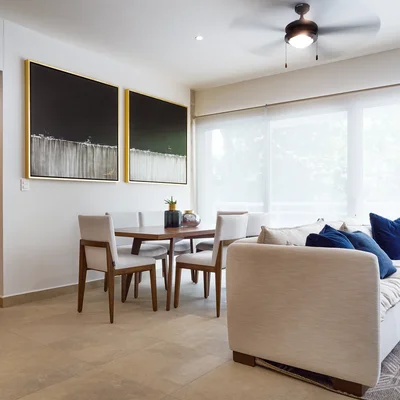
Tao Tulum

Ah Zoka
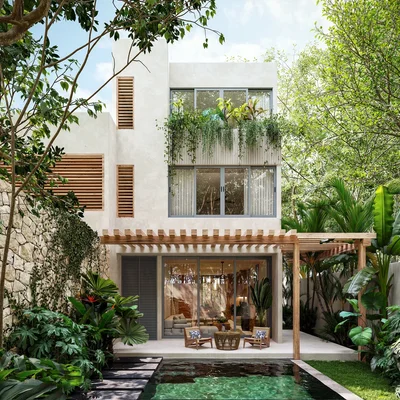
Junglar
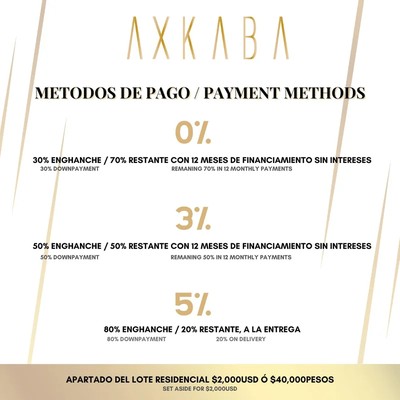
Axkaba
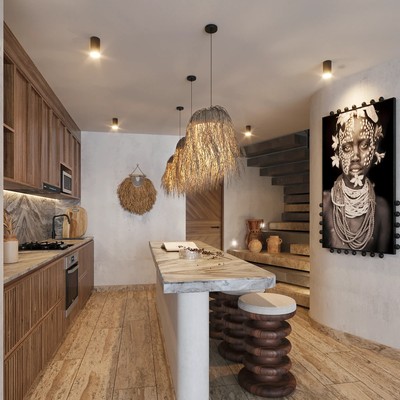
Narai Tulum
The Prime Collection: Top 1% Trophy Assets
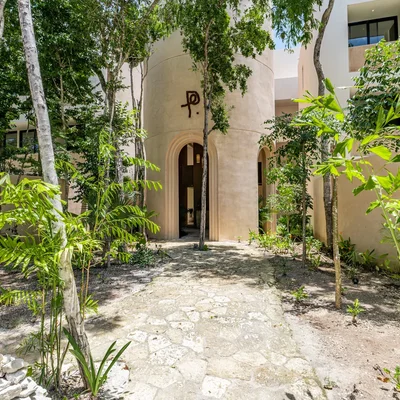
Peregrina
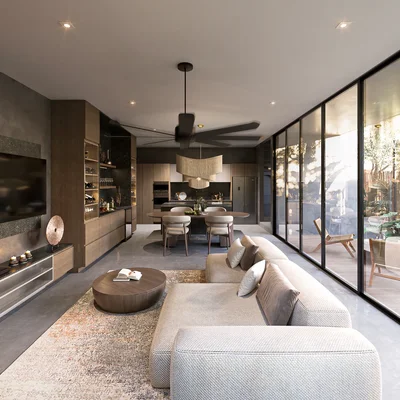
Kachava Lux
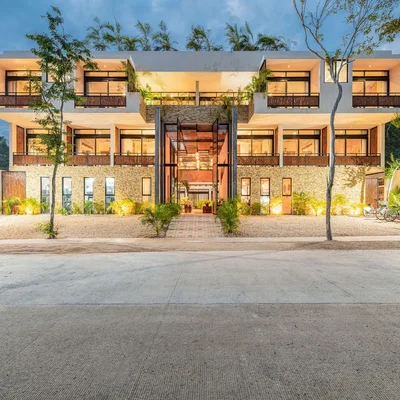
Irie
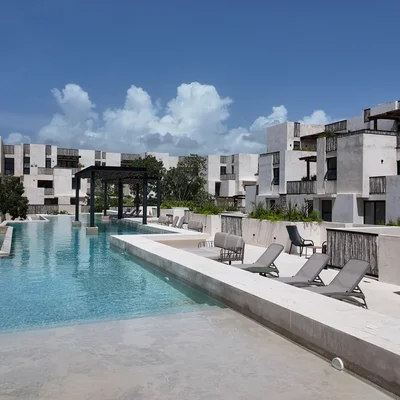
Gran Tulum
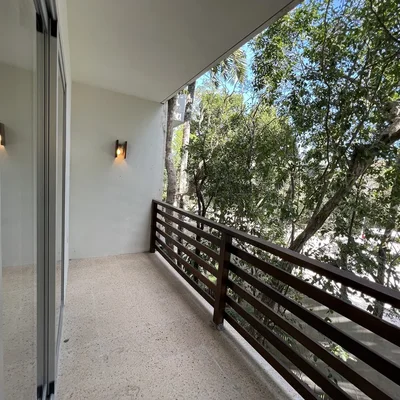
Carmela
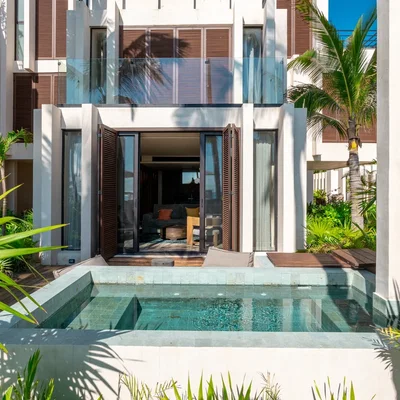
Bespoke
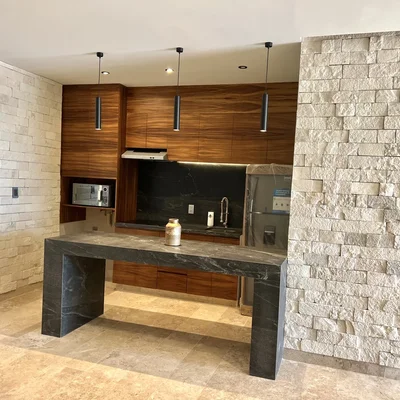
Amaru

Amari Cosmos
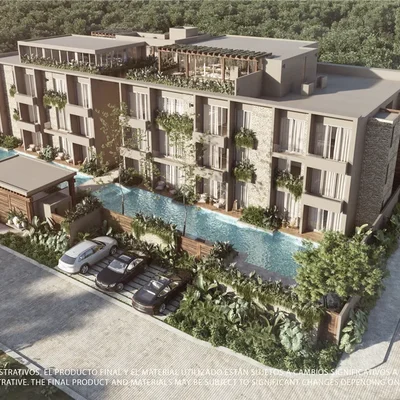
Nhoa
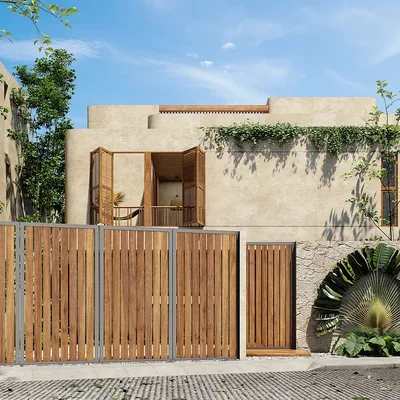
Retiro Tulum-Villas
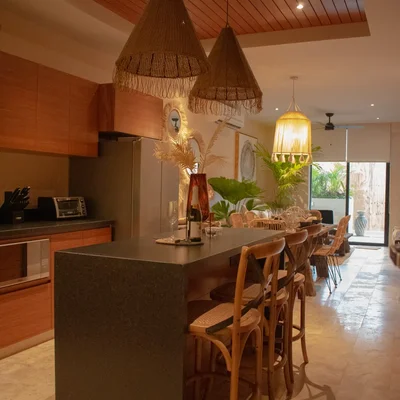
Deja Vu
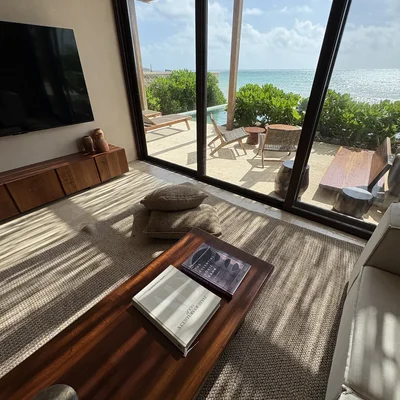
Bahia
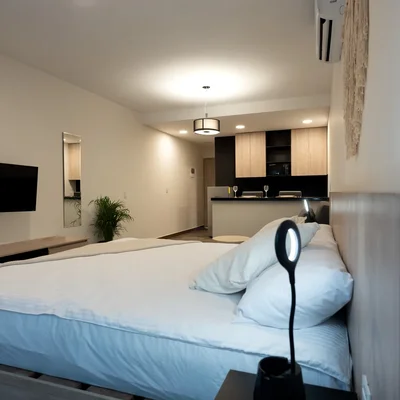
Wamai
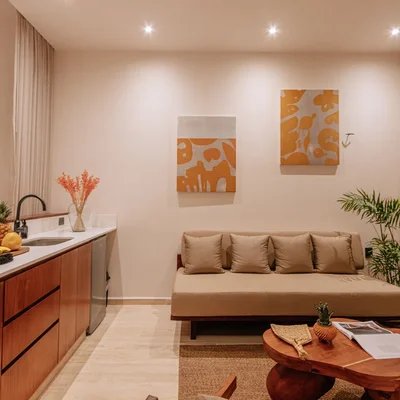
Bacab
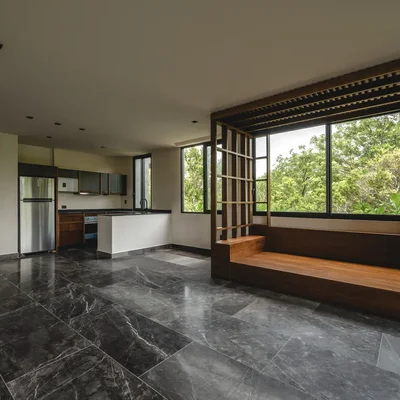
Humana
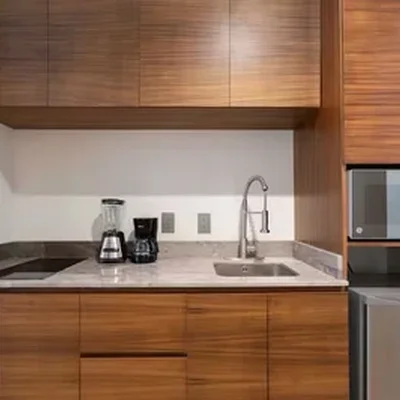
Akua Reserve
High-Growth Emerging Zones
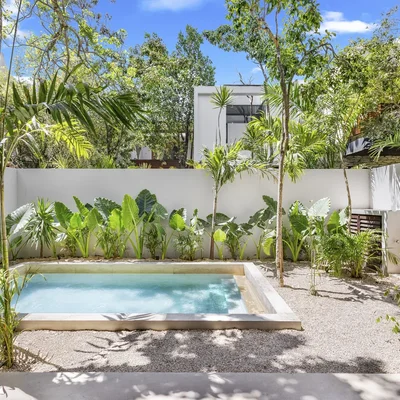
Casa Kaa
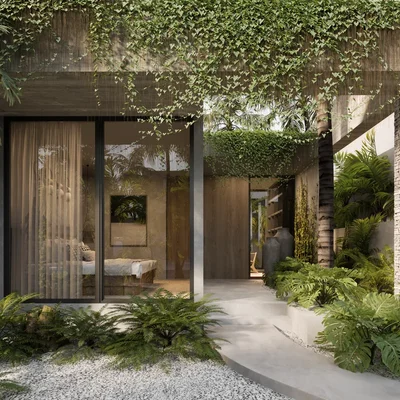
Distrito Bondia

Xeiba
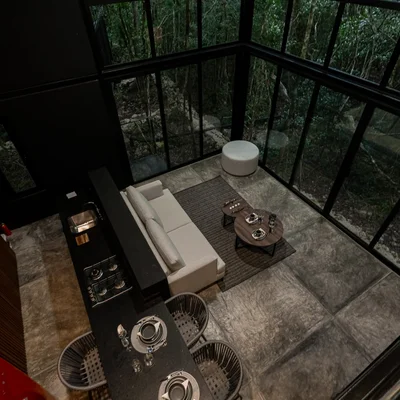
Tree60
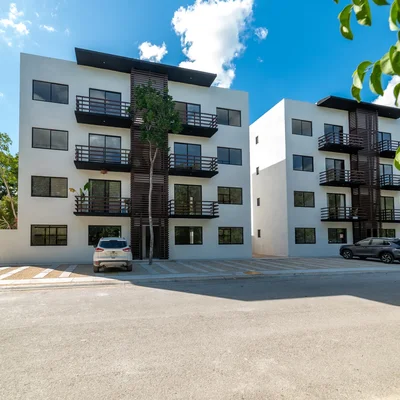
Kim-Koba
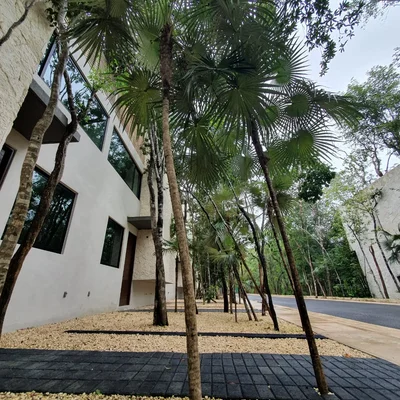
Jungle Park Residences
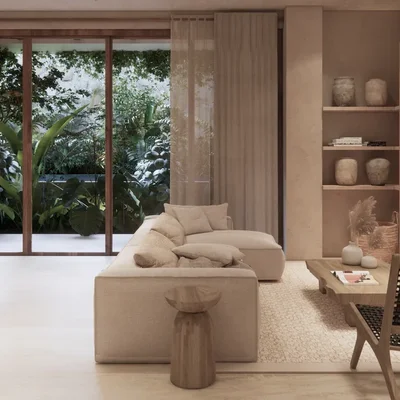
Ekab Tulum
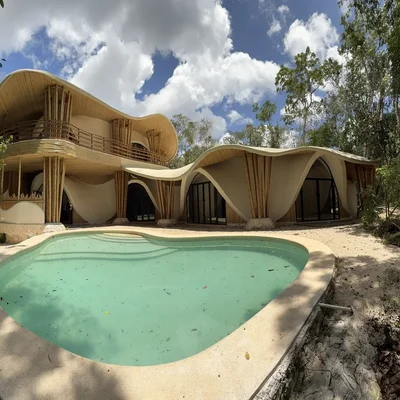
Green Dream

Loch
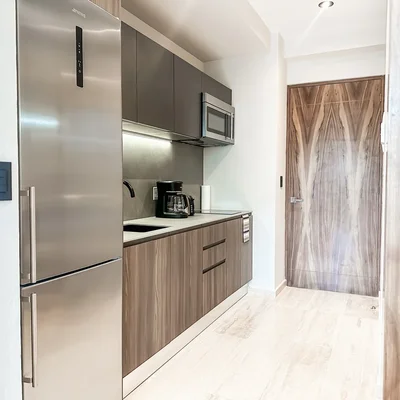
Tuk Hacienda
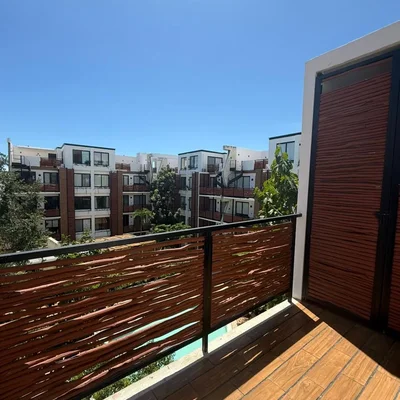
Naia Naay
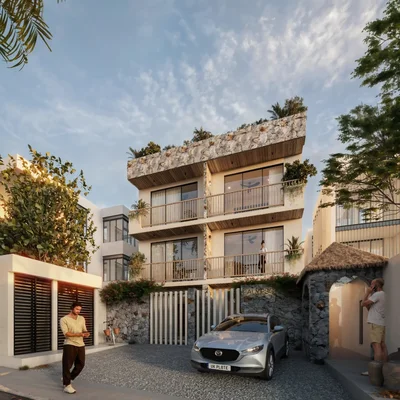
Calypso
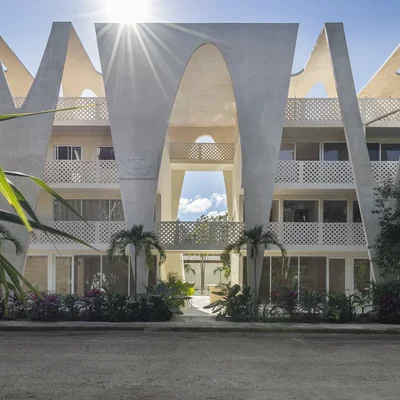
Menotto 11
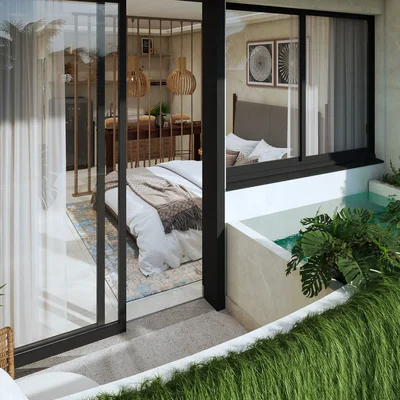
Aurea
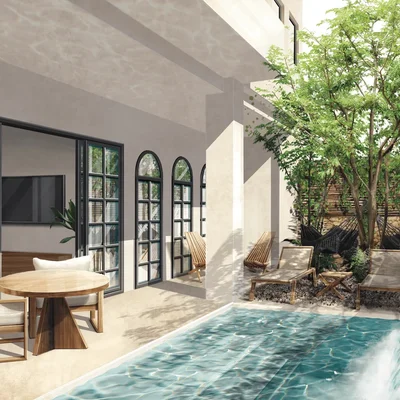
Adhonai

Yuum Lum
Market Movers: The Fastest Selling Projects Right Now
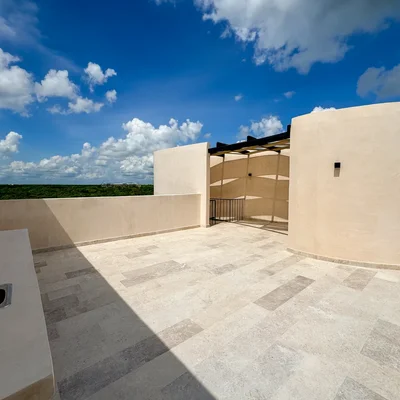
Oniric
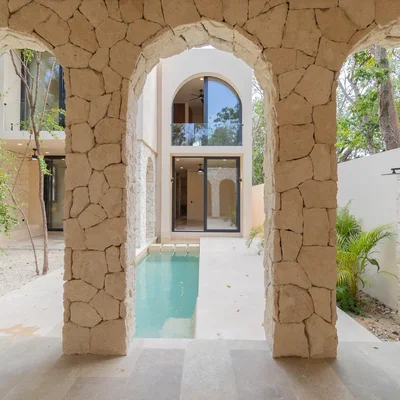
Villas INMOVA
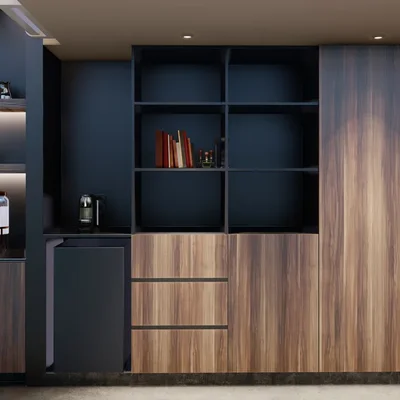
IIK
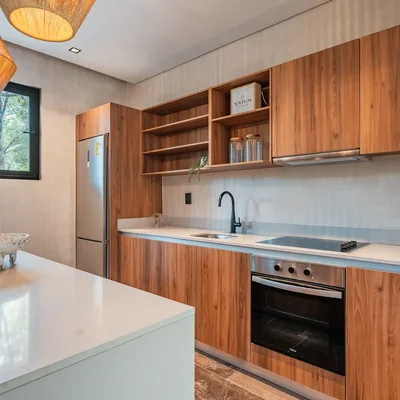
Xatum

Vernal
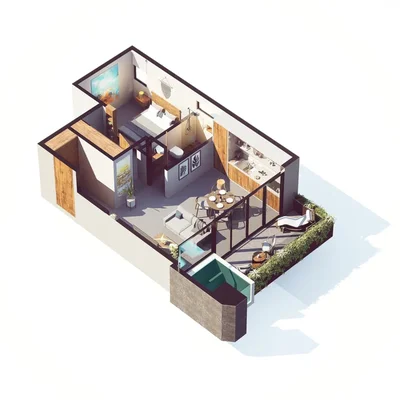
Angelique
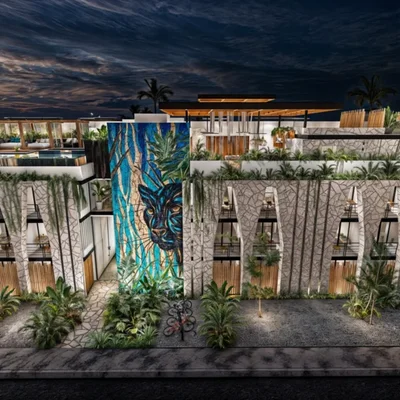
Zamajal
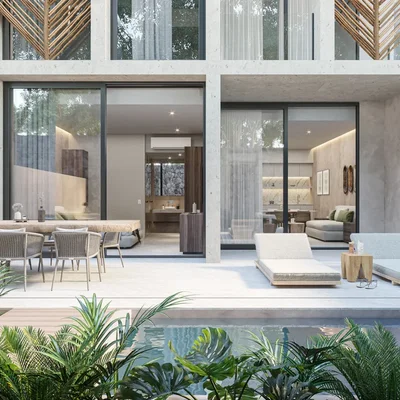
Icht

Hideaways

Homa Kah
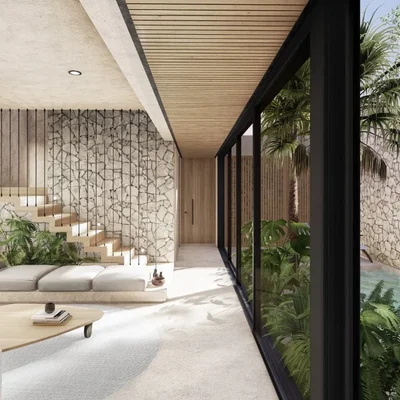
Xanbel

Bodhi
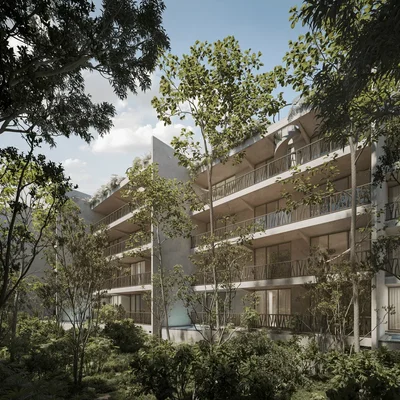
Waye

Casas Maxia by Noil

Retiro Tulum
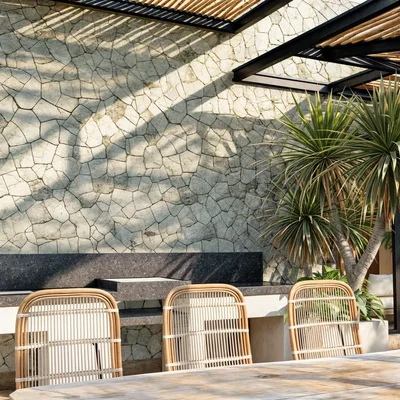
Essence