Tulum / city brief · Sep 11, 2026
TulumCity brief
Tulum's real estate market is undergoing a significant correction driven by oversupply and reduced tourism demand, transitioning from a speculative boom to a more mature, selective investment environment. Strategic…
01 / Bottom line
Correcting, Maturing, Selective
Investors should exercise heightened due diligence, prioritizing completed or near-complete projects (above 60% construction) in well-serviced, established neighborhoods. Focus on properties with strong design, clear legal frameworks, and proven rental…
Tulum's real estate market is undergoing a significant correction driven by oversupply and reduced tourism demand, transitioning from a speculative boom to a more mature, selective investment environment.
Strategic opportunities exist for disciplined buyers focusing on quality, established locations, and properties aligned with long-term lifestyle and wellness trends, especially with federal infrastructure and recovery plans in motion.
- Federal government's 'Plan Tulum Renace' aims to reorganize and reactivate the destination, including sargassum cleanup, urban reordering, and tourism promotion, providing an institutional catalyst for recovery.
- New infrastructure, including Tulum International Airport (TQO) and its connection to the Tren Maya, significantly improves accessibility and connectivity to the region.
- Significant oversupply of condos, particularly in mid-tier segments and less-serviced areas, has led to price corrections and slower sales.
- Tourism demand has significantly declined, with hotel occupancy reaching historic lows (15% in summer 2026) and international airport traffic falling, largely due to price gouging, record sargassum, and reduced air access.
02 / What changed
The public updates worth your attention.
Only updates with a direct article or document link appear here. Each card says what changed and why it matters.
No recent policy or market updates are available in the current packet.
SEDETUS
SEDETUS housing indicators for 2026. This is a gap in the brief, not a zero.
03 / Areas in focus
Only where the data is usable.
These are limited to areas with at least 10 observations, current pricing, and an actual interpretation. Empty or thin records are intentionally left out.
Aldea Zama
51,072 MXN/m² · +18.94%
A master-planned, premium community known for its polished environment, modern infrastructure, and predictable experience. It commands higher prices ($3,000-4,500…
Aldea Zama Premium
58,000 MXN/m² · +72.41%
As a premium extension of Aldea Zama, it likely shares similar characteristics of planned development and higher-end offerings, though specific details are limited…
Av Coba Sur
85,648 MXN/m² · -5.53%
Similar to Av Coba Norte, this area benefits from its location along a principal corridor, suggesting good access and potential for commercial and residential…
04 / Selected properties
The current 8.
Current development records only. Open the property page for project-level details; this brief does not invent unit availability or bedrooms.
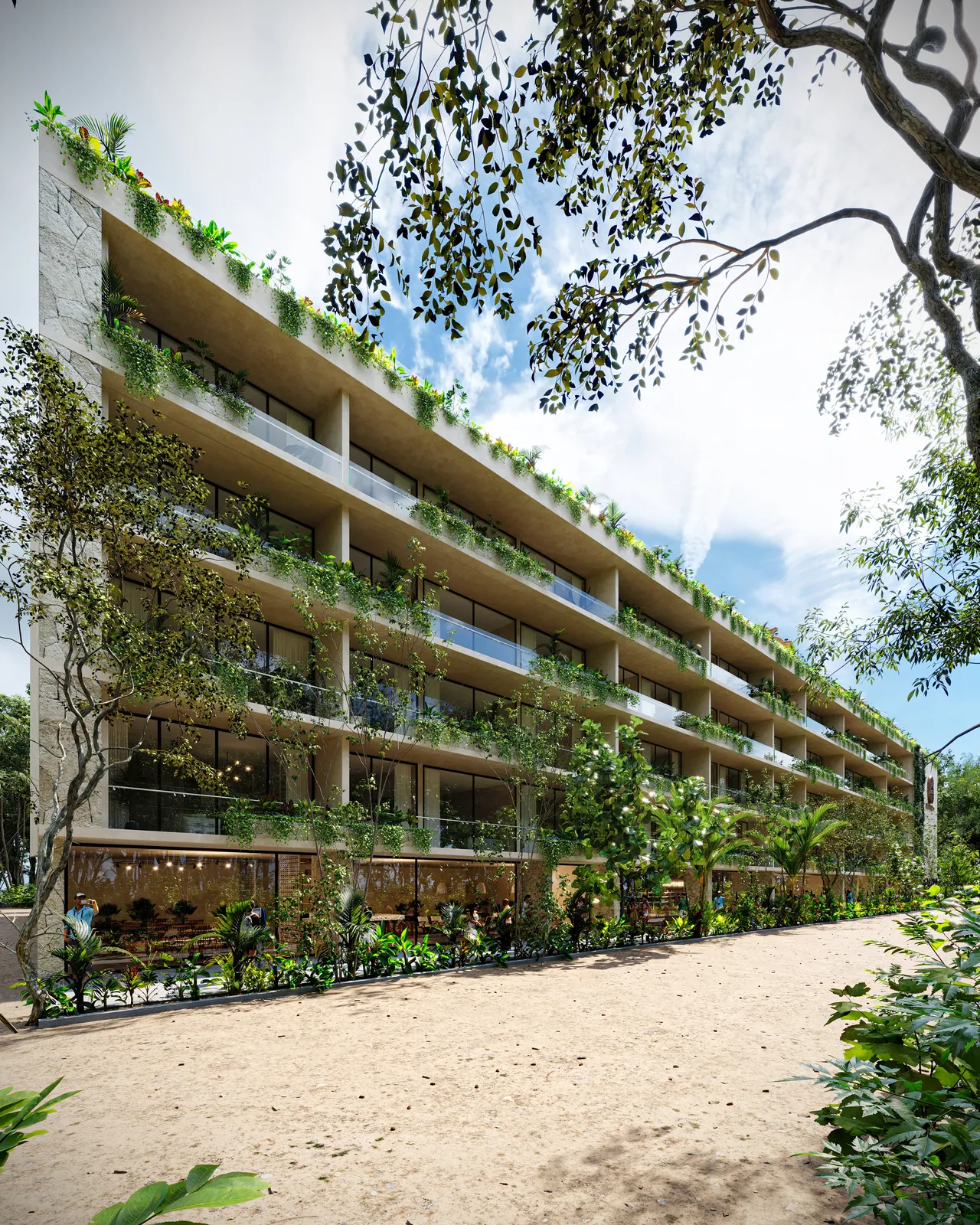
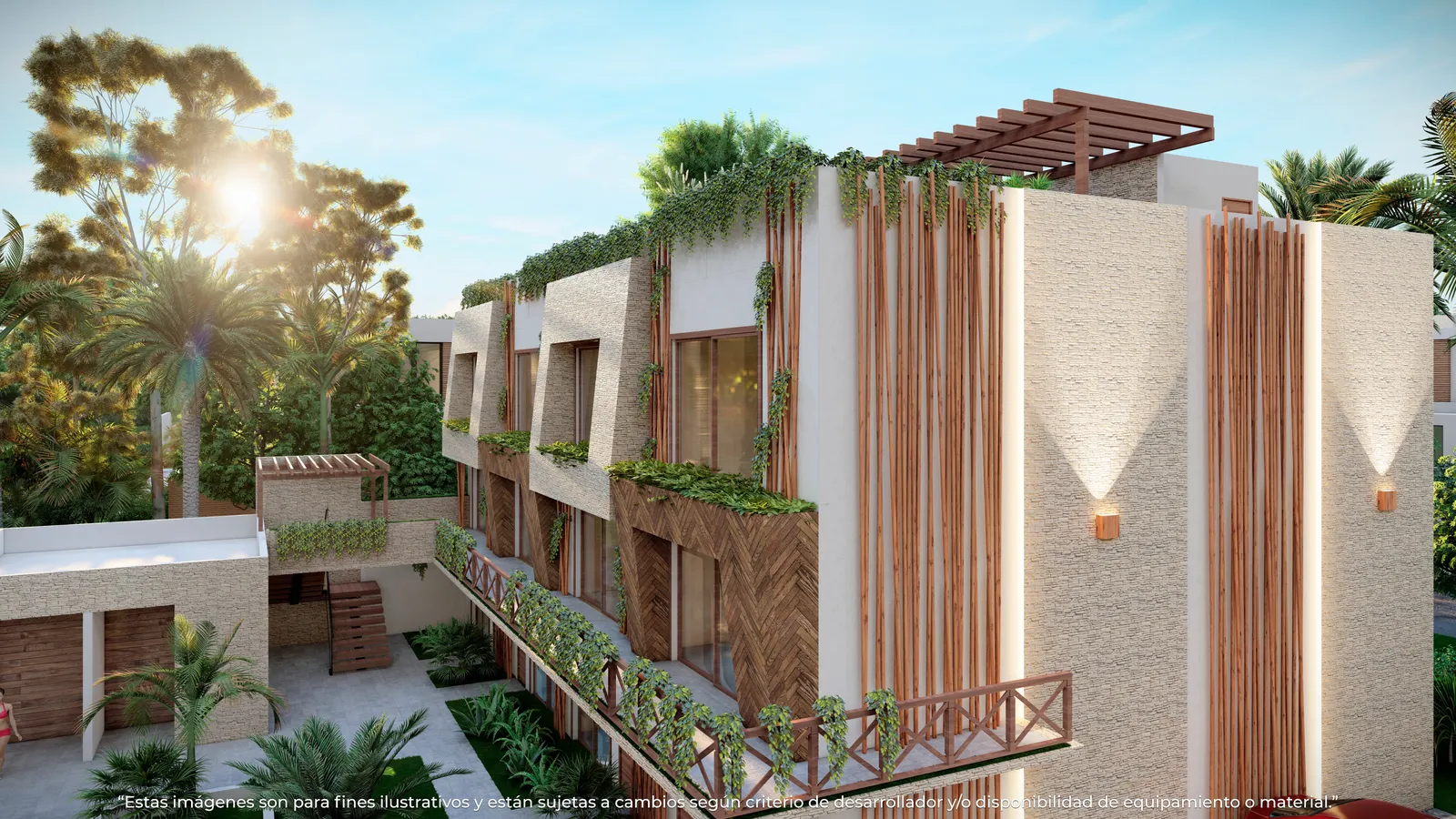
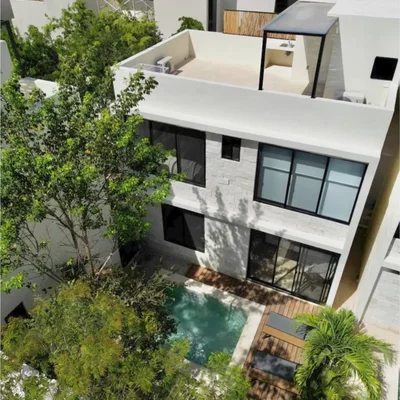
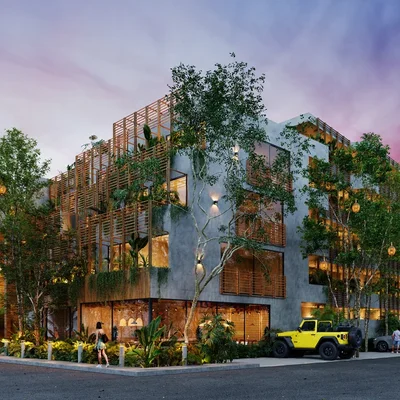
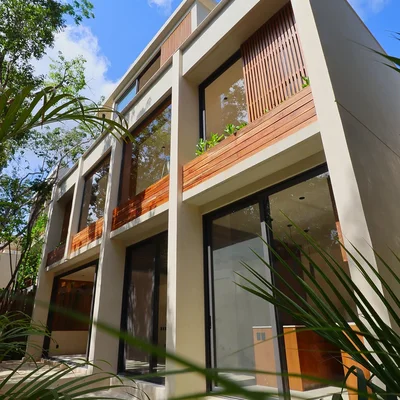
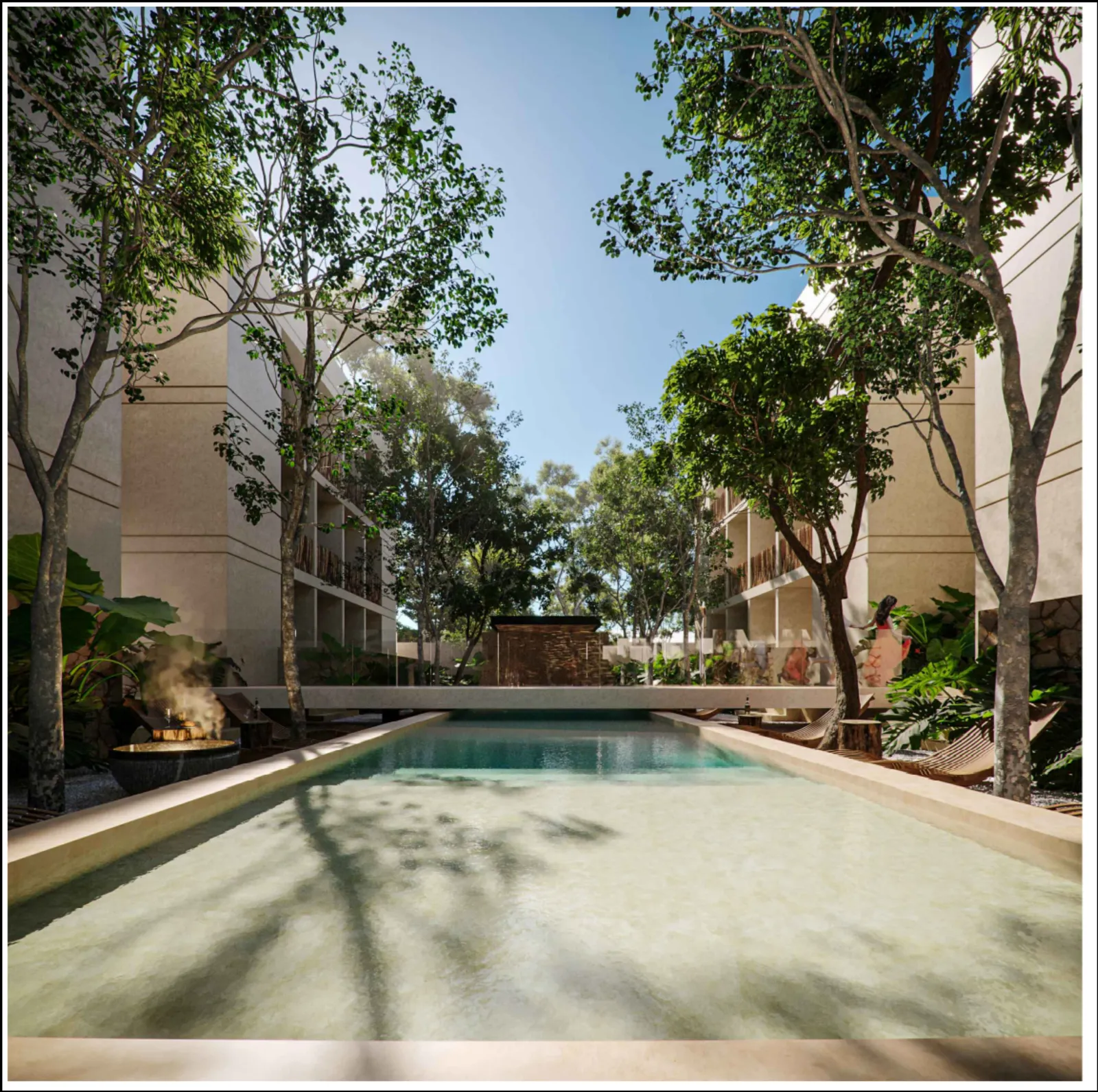
8 selected properties from current development records


05 / Boundaries
Useful because it stays honest.
This is decision support, not a promise of return. Keep the city read and the project-level due diligence separate.
What this brief can tell you
- City-level price movement and current development signals.
- Recent policy or market updates with usable links.
- Where the neighborhood sample is strong enough to discuss.
What it cannot tell you
- Complete unit-level availability or live inventory.
- A current city-specific SEDETUS housing indicator.
- Reliable conclusions for neighborhoods with thin or missing records.
43 research sources · summarized here for clarity; open project pages for current documents.
The current city brief could not be loaded.