Cancún / city brief · Sep 11, 2026
CancúnCity brief
Cancún's real estate market in 2026 is characterized by continued price appreciation, driven by robust tourism demand, significant infrastructure investments, and a strong appeal to international buyers. However,…
01 / Bottom line
Dynamic Growth with Maturing Supply
Investors should target well-located condos (1-2 bedrooms) in prime areas like Puerto Cancún, the Huayacán corridor, and select parts of the Zona Hotelera, focusing on properties with strong rental potential and professional management. Due diligence on…
Cancún's real estate market in 2026 is characterized by continued price appreciation, driven by robust tourism demand, significant infrastructure investments, and a strong appeal to international buyers.
However, increasing competition from new hotel and vacation rental supply, coupled with rising ownership costs and a more cost-conscious traveler, suggests a maturing market where strategic investment in prime locations and well-managed properties is crucial.
- Sustained Tourism Demand: Cancún remains a top international destination for US tourists in Summer 2026 and is a highly sought-after destination for North American winter travel 2025-2026. MICE tourism also shows strong growth.
- Significant Infrastructure Investment: Major projects like the Nichupté Bridge, airport expansion, and the Tren Maya improve connectivity and accessibility.
- Softening International Passenger Demand: Cancún International Airport reported a decline in international passenger traffic in July 2026 and for the first half of 2026 compared to previous years.
- Oversupply in Accommodation: Hotel room inventory has grown significantly (44% in 10 years), outpacing international passenger demand, leading to increased competition for bookings in both hotels and vacation rentals.
02 / What changed
The public updates worth your attention.
Only updates with a direct article or document link appear here. Each card says what changed and why it matters.
PDU / policyJun 01, 2023
Association fighting challenge of Cancun's PDU judicial ruling
Why it matters
Details the annulment of the previous PDU and concerns about over-development.
Riviera Maya NewsSource quality: UntrustedRead source ↗
SEDETUS
Specific SEDETUS housing indicators for 2026 beyond general guidance for short-term rentals. This is a gap in the brief, not a zero.
03 / Areas in focus
Only where the data is usable.
These are limited to areas with at least 10 observations, current pricing, and an actual interpretation. Empty or thin records are intentionally left out.
No neighborhood signal meets the current coverage threshold.
04 / Selected properties
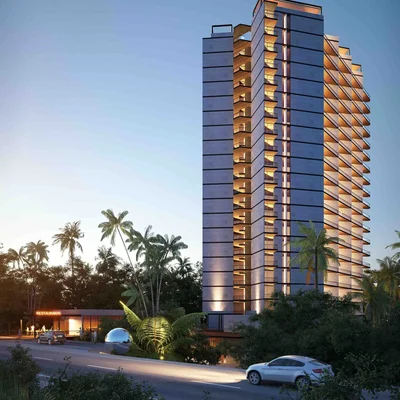
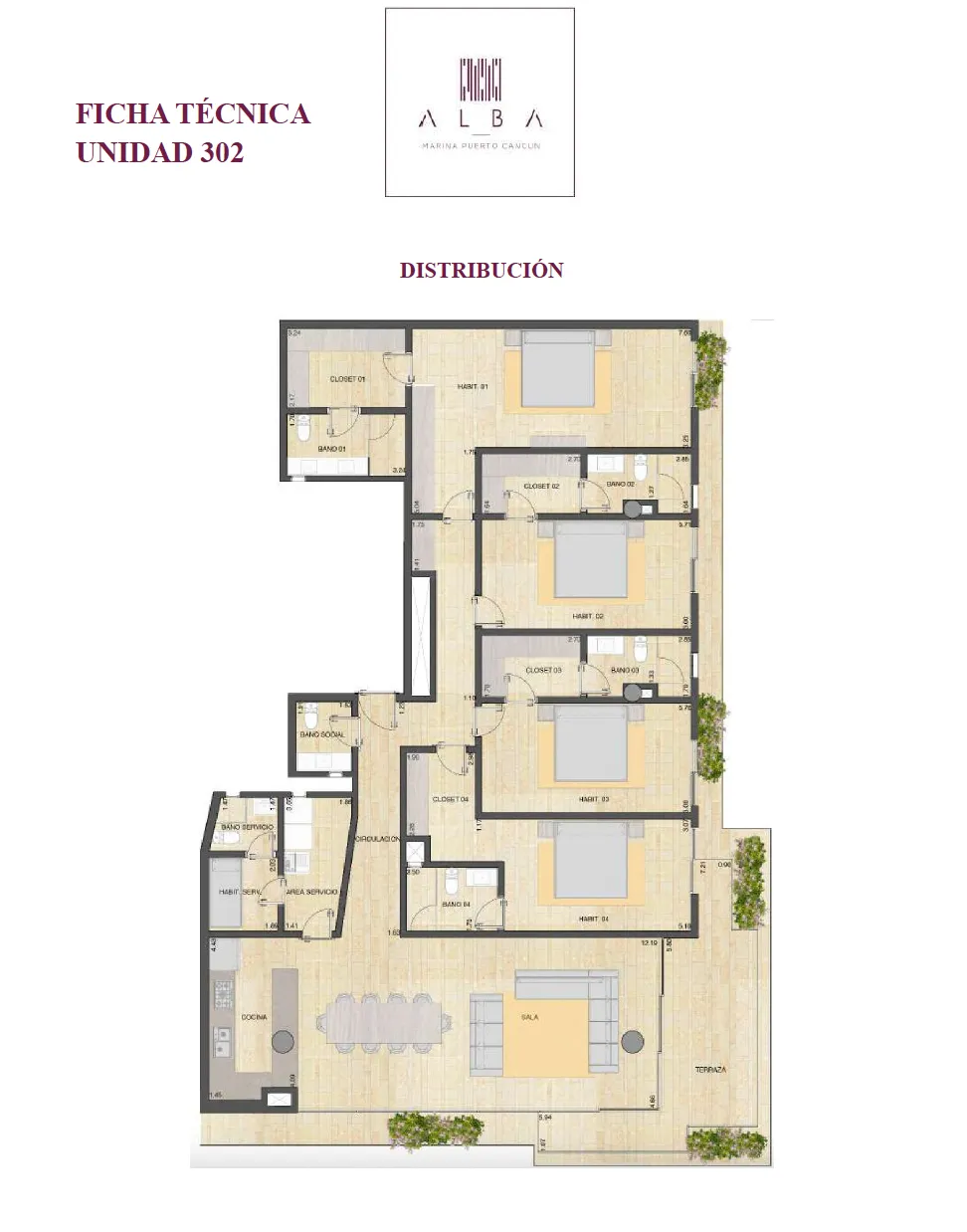
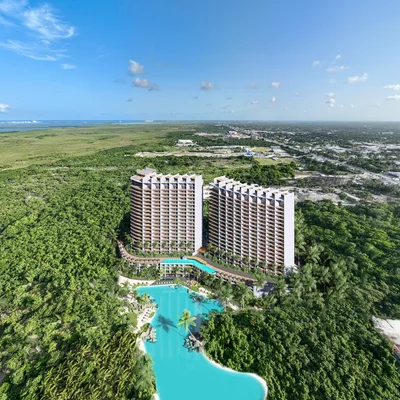
The current 8.
Current development records only. Open the property page for project-level details; this brief does not invent unit availability or bedrooms.
8 selected properties from current development records




05 / Boundaries
Useful because it stays honest.
This is decision support, not a promise of return. Keep the city read and the project-level due diligence separate.
What this brief can tell you
- City-level price movement and current development signals.
- Recent policy or market updates with usable links.
- Where the neighborhood sample is strong enough to discuss.
What it cannot tell you
- Complete unit-level availability or live inventory.
- A current city-specific SEDETUS housing indicator.
- Reliable conclusions for neighborhoods with thin or missing records.
48 research sources · summarized here for clarity; open project pages for current documents.
The current city brief could not be loaded.