Puerto Morelos / city brief · Sep 11, 2026
Puerto MorelosCity brief
Puerto Morelos is transitioning from a tranquil fishing village to a recognized investment destination within the Riviera Maya, balancing controlled development with the preservation of its natural charm. The market is…
01 / Bottom line
Emerging Growth, Balanced
Investors should consider Puerto Morelos for its strong long-term appreciation potential and lifestyle appeal, particularly for mid-term rental strategies and owner-occupiers. Prioritize well-located properties with clear titles and completed infrastructure,…
Puerto Morelos is transitioning from a tranquil fishing village to a recognized investment destination within the Riviera Maya, balancing controlled development with the preservation of its natural charm.
The market is attracting a diverse range of buyers, including lifestyle-oriented individuals, retirees, and long-term investors, drawn by its strategic location, relative affordability compared to larger neighbors, and a growing tourism sector, particularly in vacation rentals.
- Approval and implementation of the new Municipal Urban Development Program (PMDU) and Urban Development Program for the Population Center of Puerto Morelos, providing a clear framework for ordered and sustainable growth.
- Significant federal and municipal infrastructure investments, including the Bahía Petempich access road reconstruction, Federal Highway 307 overpass, and new public beach access points, enhancing connectivity and property values.
- Discrepancy in reported active short-term rental listings between AirROI (900 listings) and AirDNA (458-479 listings) for the same period, indicating potential data inconsistencies.
- Coastal properties and those adjacent to mangroves and wetlands face strict environmental conditions and potential development denials due to the Puerto Morelos Reef National Park.
02 / What changed
The public updates worth your attention.
Only updates with a direct article or document link appear here. Each card says what changed and why it matters.
No recent policy or market updates are available in the current packet.
SEDETUS
Specific SEDETUS housing indicators beyond the approval of the PMDU were not found. This is a gap in the brief, not a zero.
03 / Areas in focus
Only where the data is usable.
These are limited to areas with at least 10 observations, current pricing, and an actual interpretation. Empty or thin records are intentionally left out.
Puerto Morelos Costa
5,381 USD/m² · +3.41%
This neighborhood is synonymous with the 'Costa' analysis above, focusing on the coastal strip north of the main town. It is characterized by new developments and…
04 / Selected properties
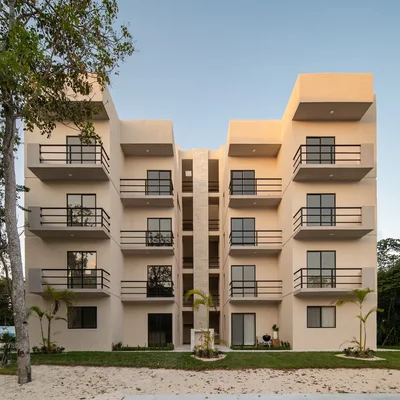
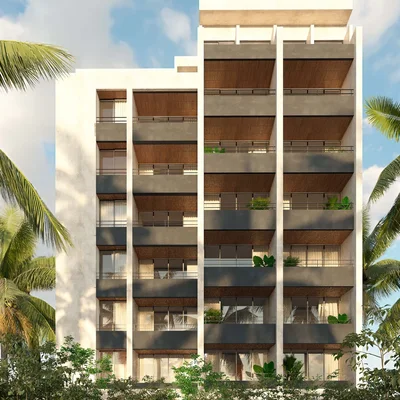
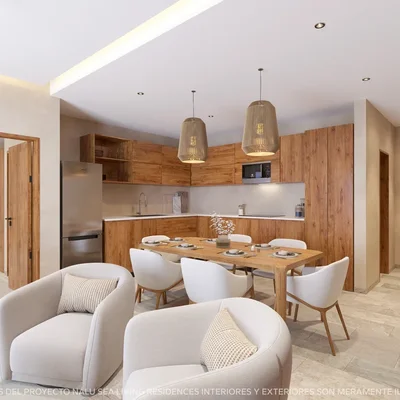
The current 6.
Current development records only. Open the property page for project-level details; this brief does not invent unit availability or bedrooms.
6 selected properties from current development records



05 / Boundaries
Useful because it stays honest.
This is decision support, not a promise of return. Keep the city read and the project-level due diligence separate.
What this brief can tell you
- City-level price movement and current development signals.
- Recent policy or market updates with usable links.
- Where the neighborhood sample is strong enough to discuss.
What it cannot tell you
- Complete unit-level availability or live inventory.
- A current city-specific SEDETUS housing indicator.
- Reliable conclusions for neighborhoods with thin or missing records.
36 research sources · summarized here for clarity; open project pages for current documents.
The current city brief could not be loaded.