Akumal / city brief · Sep 11, 2026
AkumalCity brief
Akumal's real estate market is characterized by consistent demand from eco-tourists, families, and retirees, driven by its protected marine environment and tranquil atmosphere. While part of the broader Riviera Maya, it…
01 / Bottom line
Niche, Eco-Tourism Driven Growth
Investors should focus on well-located, quality properties with proven rental management, particularly those catering to the eco-tourism and family segments. Due diligence on HOA quality, environmental regulations, and accurate location is crucial. Akumal…
Akumal's real estate market is characterized by consistent demand from eco-tourists, families, and retirees, driven by its protected marine environment and tranquil atmosphere.
While part of the broader Riviera Maya, it maintains a distinct, supply-constrained profile, leading to resilient property values and strong vacation rental performance despite regional tourism slowdowns and environmental challenges like sargassum.
- Strong and consistent demand from eco-tourism, families, and retirees drawn to Akumal's unique natural attractions and tranquil environment.
- High property appreciation rates in Quintana Roo, with the state registering 12.2% growth in home values in Q1 2026.
- Seasonal sargassum seaweed can affect beach conditions, particularly from late spring to early fall.
- A broader slowdown in Mexico's tourism recovery in 2026, with Cancun-Riviera Maya resorts experiencing softness, potentially due to cartel-related unrest and decreased U.S. inbound travel.
02 / What changed
The public updates worth your attention.
Only updates with a direct article or document link appear here. Each card says what changed and why it matters.
No recent policy or market updates are available in the current packet.
SEDETUS
Detailed SEDETUS housing indicators specifically for Akumal. This is a gap in the brief, not a zero.
03 / Areas in focus
Only where the data is usable.
These are limited to areas with at least 10 observations, current pricing, and an actual interpretation. Empty or thin records are intentionally left out.
No neighborhood signal meets the current coverage threshold.
04 / Selected properties
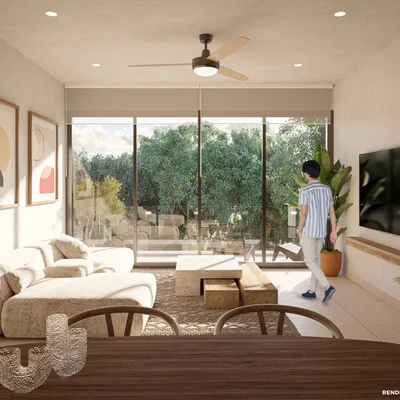
The current 2.
Current development records only. Open the property page for project-level details; this brief does not invent unit availability or bedrooms.
2 selected properties from current development records

05 / Boundaries
Useful because it stays honest.
This is decision support, not a promise of return. Keep the city read and the project-level due diligence separate.
What this brief can tell you
- City-level price movement and current development signals.
- Recent policy or market updates with usable links.
- Where the neighborhood sample is strong enough to discuss.
What it cannot tell you
- Complete unit-level availability or live inventory.
- A current city-specific SEDETUS housing indicator.
- Reliable conclusions for neighborhoods with thin or missing records.
48 research sources · summarized here for clarity; open project pages for current documents.
The current city brief could not be loaded.