

PROPERTY INTELLIGENCE
Soho Town
Tulum

Overview
Where Serenity Meets Vibrancy: Introducing Soho Town
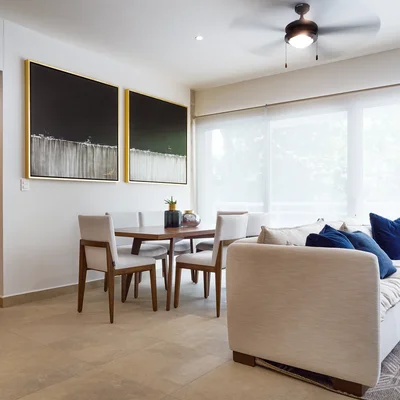
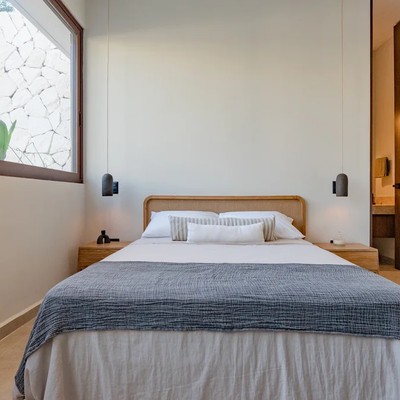
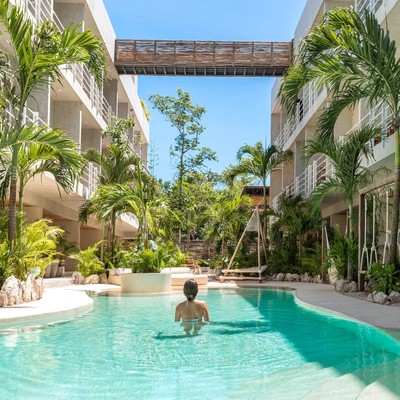
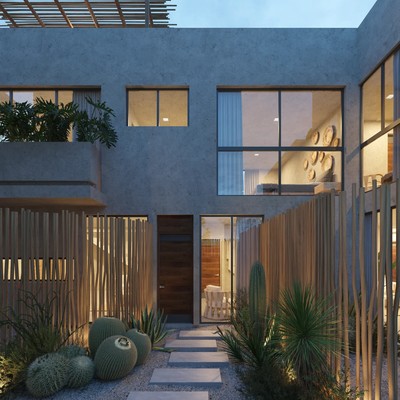
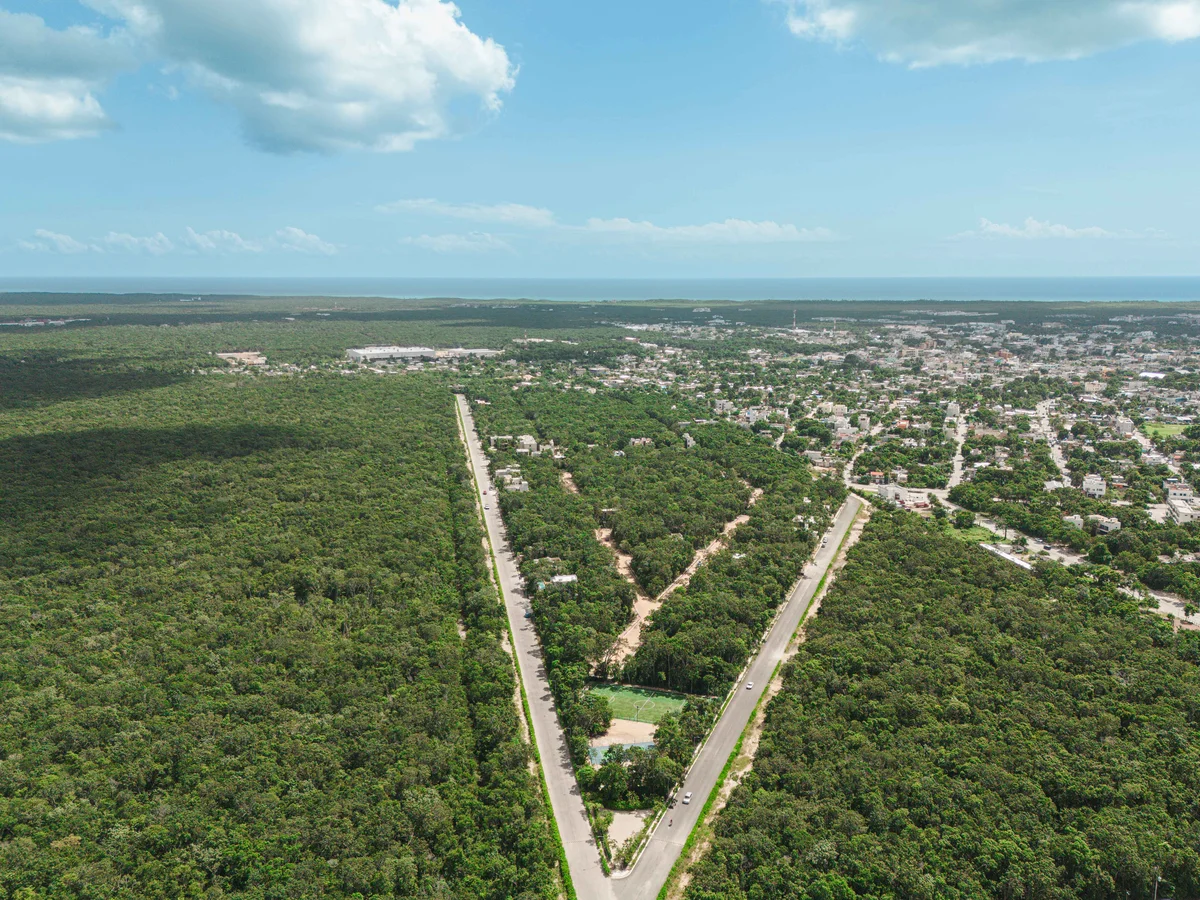
Soho Town is a private, secure community designed for those seeking the authentic lifestyle of Tulum. This project offers townhouses as part of its boutique collection, providing residents with the confidence of 24/7 security and CCTV systems , alongside practical services like doorstep garbage collection. With a strategic location offering direct access to Avenida Cobá , the main road to the beach, and the bustling town center, Soho Town presents a unique blend of natural serenity and vibrant lifestyle.The development's strategic value lies in its exclusive amenities and unique investor benefits, such as beach club alliances and discounts at Airbnb SOHO . Residents can enjoy a paddle court, pickleball court, soccer field, a private, residents-only gym , a children's playground, and extensive green areas with native plants. The barbecue area seamlessly integrated into the natural surroundings provides a perfect space for relaxation and community bonding. With developer financing available , investing in Soho Town becomes even more accessible, making it an attractive opportunity for those looking to own a piece of the authentic side of Tulum with a secure investment starting from $336,966 USD .
PRICE RANGE
Starting from $336,966 USD
CITY
Tulum
REGION
Riviera Tulum
BEDROOMS
0
0
TYPES
Townhouse
SURFACE
189
–
386
m²
AI RATING
Opportunistic
FINANCING PLANS
Available
DEVELOPER
DELIVERY DATE
Investment Thesis
A Strategic Opportunity in a Corrected Market: Investing in Soho Town for Long-Term Growth
The investment thesis is to acquire a differentiated asset that is structurally insulated from the core market crisis currently defining Tulum. This crisis is evidenced by a 40% drop in demand and a severe oversupply of condominium inventory that has collapsed the short-term rental market. Soho Town's strategic focus on house, townhouse, and land inventory allows it to target long-term end-users and land bankers, thereby avoiding direct competition in the saturated and distressed short-term rental segment. This asset represents a high-risk, high-reward opportunity for sophisticated, long-term cash buyers to acquire inventory at a significant discount to its potential future value in a deeply corrected market.🛡️ Foundational Market Strengths (Beta)
Despite the acute short-term market correction, the asset is backstopped by significant, long-term regional investments that provide a floor for future valuation. These foundational drivers are expected to stabilize the market post-correction and support long-term growth.- Enhanced Regional Access: The recent completion of the Tulum International Airport and the operational status of the Tren Maya are fundamental infrastructure upgrades. These projects are structural catalysts poised to improve accessibility and drive future tourist and investor demand once market equilibrium is restored.
- Upgraded Urban Infrastructure: The conclusion of the 2022 PACTUM 32-month mobility plan has delivered tangible improvements to livability, including new sidewalks and an extensive network of cycle paths. While specific investment figures for the PACTUM plan were not itemized in the provided data, its completion has qualitatively enhanced the urban core.
- Ongoing Local Development: The federal government continues to fund critical public works, including ongoing road rehabilitation, drainage system enhancements, and new electrification projects. These initiatives directly address known infrastructure deficits and support the long-term viability of the destination.
- Resilient Brand Equity: Tulum's established global brand as a world-class luxury and eco-conscious destination remains a core asset. Market data indicates that luxury villas and eco-conscious projects continue to attract premium rates, demonstrating a resilient segment within the broader distressed market.
💎 Competitive Advantages (Alpha)
The asset's specific characteristics provide a competitive moat, insulating it from the primary drivers of the market crash and positioning it to capture a niche, more stable buyer segment.- Differentiated Lifestyle Amenities: The inclusion of comprehensive sports facilities, including paddle, pickleball, and soccer, offers a distinct value proposition that transcends the standard condominium gym. This amenity package is designed to attract long-term residents and families, a demographic insulated from the volatility of the short-term rental market.
- Secured Beach Access: By providing guaranteed access and alliances with beach clubs, the project directly mitigates the primary drawback of non-beachfront properties. This is a crucial, high-demand amenity that is difficult for the oversupply of inland condo projects to replicate.
- Private and Secure Community: The private community structure delivers enhanced security and exclusivity. This appeals directly to the higher-end buyer segment seeking a primary or secondary home, rather than the speculative investor profile that has fueled the current condo oversupply.
- Irreplicable Ocean Views: Select units feature ocean views, a non-replicable attribute that commands a significant price premium and is structurally insulated from the general market depreciation affecting fungible inventory.
- Developer-Backed Financing: In a market constrained by high Federal Reserve policy rates and economic uncertainty, the availability of developer financing—requiring substantial down payments of 30% to 90% —provides a critical advantage. It signals developer confidence and widens the potential buyer pool to include well-capitalized investors.
📈 Strategic Outlook & Risk Analysis
- 🔴 Primary Market Risk: A critical oversupply of condominium inventory, evidenced by a 40% slowdown in demand , which has crashed the short-term rental market.
- 🔴 Inventory Exposure: The asset's inventory mix, heavily weighted towards townhouses, houses, and land/lots, demonstrates a low direct exposure to the primary market risk, which is concentrated in the oversupplied one and two-bedroom condominium segment.
- 🟢 Strategic Confidence: Confidence is rated as High for built inventory (Houses/Townhouses); Moderate for land/lots. The asset's product mix and amenity package are well-differentiated from the distressed condo segment, effectively targeting a more stable, end-user buyer profile. The land component offers a long-term strategic option but remains exposed to broader market sentiment.
- 🟢 Core Rationale: The investment thesis is to acquire a differentiated asset that is structurally insulated from the core market crisis by leveraging its house, townhouse, and land inventory to target long-term end-users and land bankers, rather than competing in the saturated short-term rental market.
🎯 Ideal Investor Profile
This opportunity is exclusively suited for a dual-profile investor with a high tolerance for risk and a long-term investment horizon. Given the projected macroeconomic slowdowns in both the U.S. ( 1.6% GDP growth ) and Mexico ( 0.4% GDP growth ), immediate returns are not anticipated. The ideal investor is either: 1) A long-term (5-10 year) capital allocator focused on land banking, capitalizing on the current buyer's market to acquire well-located lots for a future development cycle. 2) An end-user or long-term rental investor seeking lifestyle-oriented assets (houses/townhouses) who is not dependent on speculative short-term rental income and can acquire with cash or low leverage, thereby avoiding the high borrowing costs associated with current central bank policies.Amenities
Exclusive Amenities and Unique Investor Benefits in Soho Town
Soho Town offers discerning investors a unique blend of luxury amenities and secure investment opportunities, perfectly balancing serenity and vibrancy.- 🏋️♀️ Gym: Maintain wellness routines in private.
- 🌴 Beach Access: Direct access to serene beaches.
- 🏡 Private Community: Secure, exclusive living.
- 📺 CCTV System: Enhanced security and peace of mind.
- 🍴 Barbecue Area: Socialize in style with friends and family.
- 🏞️ Landscaped Space: Native plant species for a natural ambiance.
- 🌳 Green Areas: Serene spots for relaxation and recreation.
- 🚮 Doorstep Garbage Collection: Convenience and hygiene.
- 🏸 Paddle Court: Engage in sports and leisure activities.
- 🏸 Pickleball Court: Fun and fitness for all ages.
- ⚽ Soccer Field: Active lifestyle and community building.
- 🏖️ Alliance with Beach Clubs: Exclusive discounts and privileges.
- 📈 Discounts at Airbnb SOHO: Invest with confidence and potential for rental income.
- Also Includes: 24/7 security, parking, playground, recreation zones, wellness zones, and garden.
Wellness & Recreation
Services & Comfort
20.1974151
-87.469113
Soho Town
Neighborhood
Immersed in Tulum's Charm: A Neighborhood that Blends Nature and Culture
In the heart of Tulum, a unique blend of natural serenity and vibrant lifestyle awaits. This is a place where discerning investors and individuals can experience the authentic charm of Tulum, with its stunning beaches, lush jungles, and exclusive amenities. The neighborhood is designed to provide a seamless blend of relaxation, adventure, and sophistication, making it the ultimate destination for those seeking a unique and luxurious lifestyle.The Doorstep Experience
The essence of Tulum's charm is revealed within a short walk, where local eateries, cafes, and markets define the daily rhythm. This is a place where residents can indulge in gourmet cuisine, artisanal goods, and lively entertainment, all within a few minutes of their doorstep.- 🍴 Il bacaro La Veleta Tulum - Savor the flavors of Italy at this cozy restaurant, just a 4-minute walk away, and experience the best of Tulum's culinary scene.
- 🥐 Me Latte Cafe - Start your day with a delicious breakfast or coffee at this charming cafe, only 3 minutes from your doorstep, and enjoy the vibrant atmosphere of Tulum's town center.
- 🍴 La Consentida - Treat yourself to a mouth-watering meal at this popular restaurant, just a 3-minute walk away, and discover the authentic flavors of Tulum.
- 🍞 La Baguette Boulangerie - Indulge in freshly baked bread and pastries at this quaint boulangerie, only 2 minutes from your doorstep, and experience the artisanal side of Tulum.
- 🛍️ Veleta Market - Explore the local market scene and discover unique goods and souvenirs at this bustling market, just a 4-minute walk away, and immerse yourself in Tulum's vibrant culture.
Neighborhood Highlights
Beyond the doorstep, the neighborhood offers a wealth of exciting experiences and amenities, all within a short walk or drive. From gourmet dining to lively entertainment, Tulum's charm is waiting to be discovered.- 🛍️ Súper Akí Tulum - Stock up on essentials and gourmet goodies at this well-stocked supermarket, just a 15-minute drive away, and enjoy the convenience of Tulum's modern amenities.
- 🌯 La Taqueria - Savor the bold flavors of Mexico at this popular taqueria, only 4 minutes from your doorstep, and experience the authentic taste of Tulum.
- 🍴 Onyx Tulum - Enjoy a sophisticated dining experience at this upscale restaurant, just an 8-minute drive away, and indulge in the best of Tulum's culinary scene.
- 🍹 M tulum Hookah & Pool Lounge - Relax and unwind at this trendy lounge, featuring hookah, cocktails, and stunning pool views, just a 9-minute drive away, and experience the vibrant nightlife of Tulum.
- 🍹 Batey Mojito and Guarapo Bar - Discover the art of mixology at this innovative bar, specializing in mojitos and guarapo, just a 9-minute drive away, and enjoy the best of Tulum's cocktail scene.
Price List
Open price list in a new tabhttps://drive.google.com/file/d/1Qatsk7y-txAp7Czbhw28jf25NejJhRD2/view