
PROPERTY INTELLIGENCE
Amana
Tulum
Overview
Elevated Eco-Friendly Living in Tulum
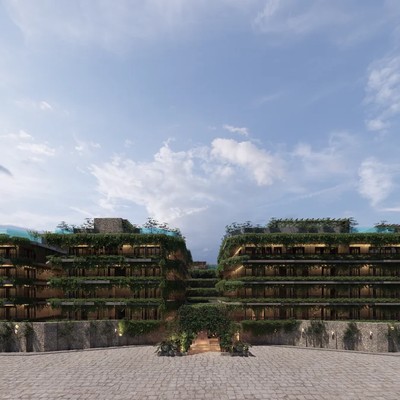
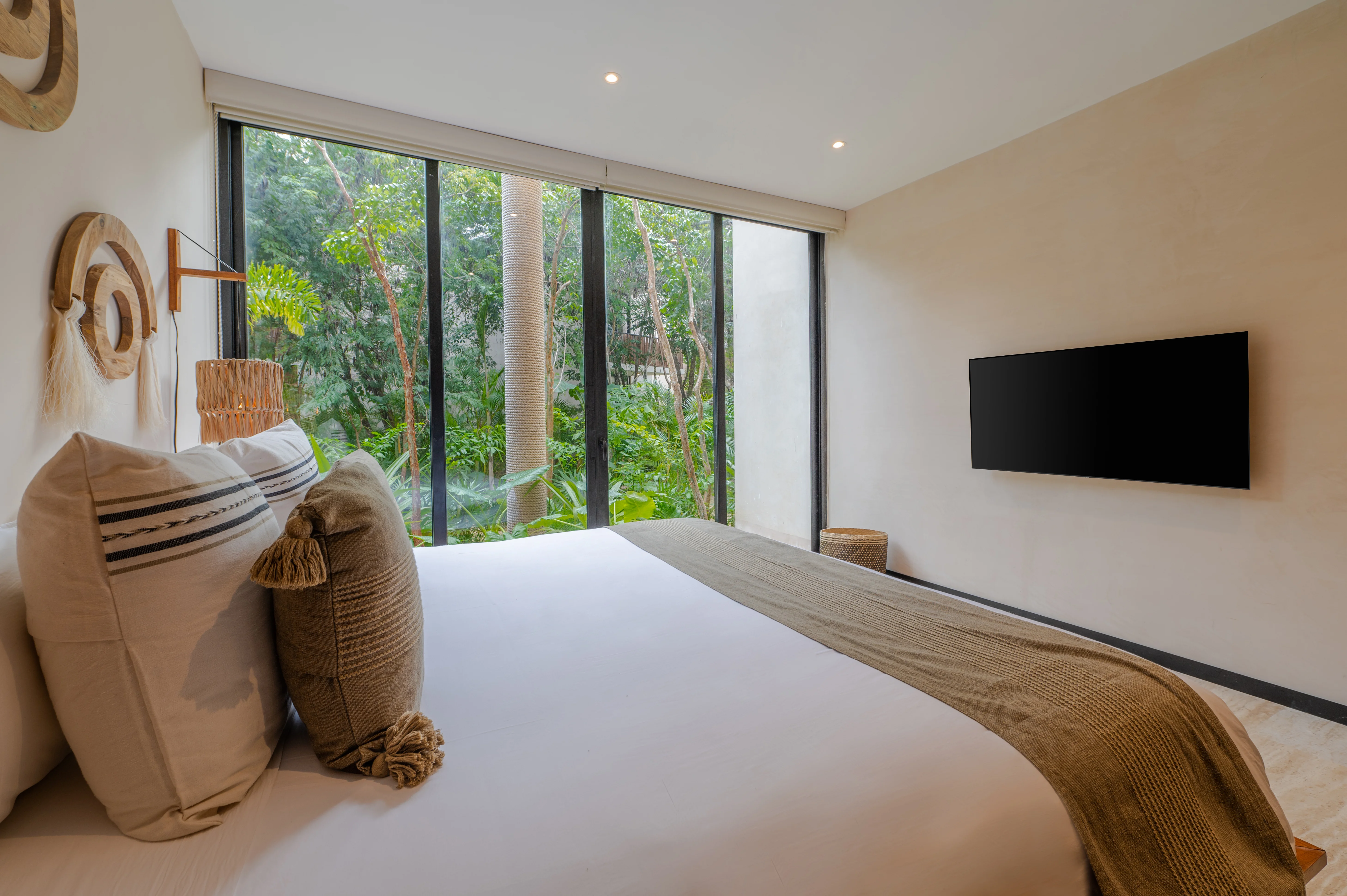
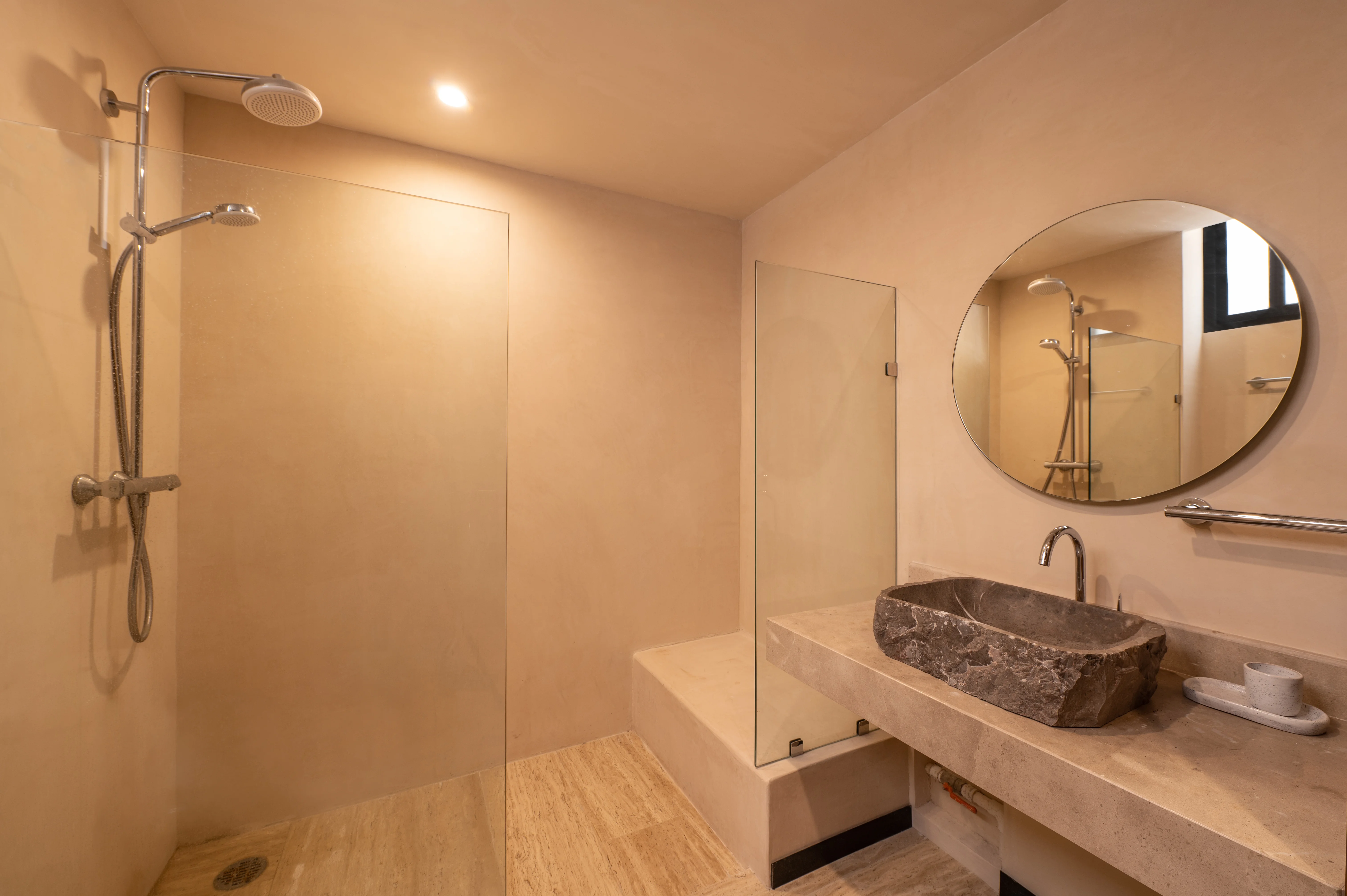
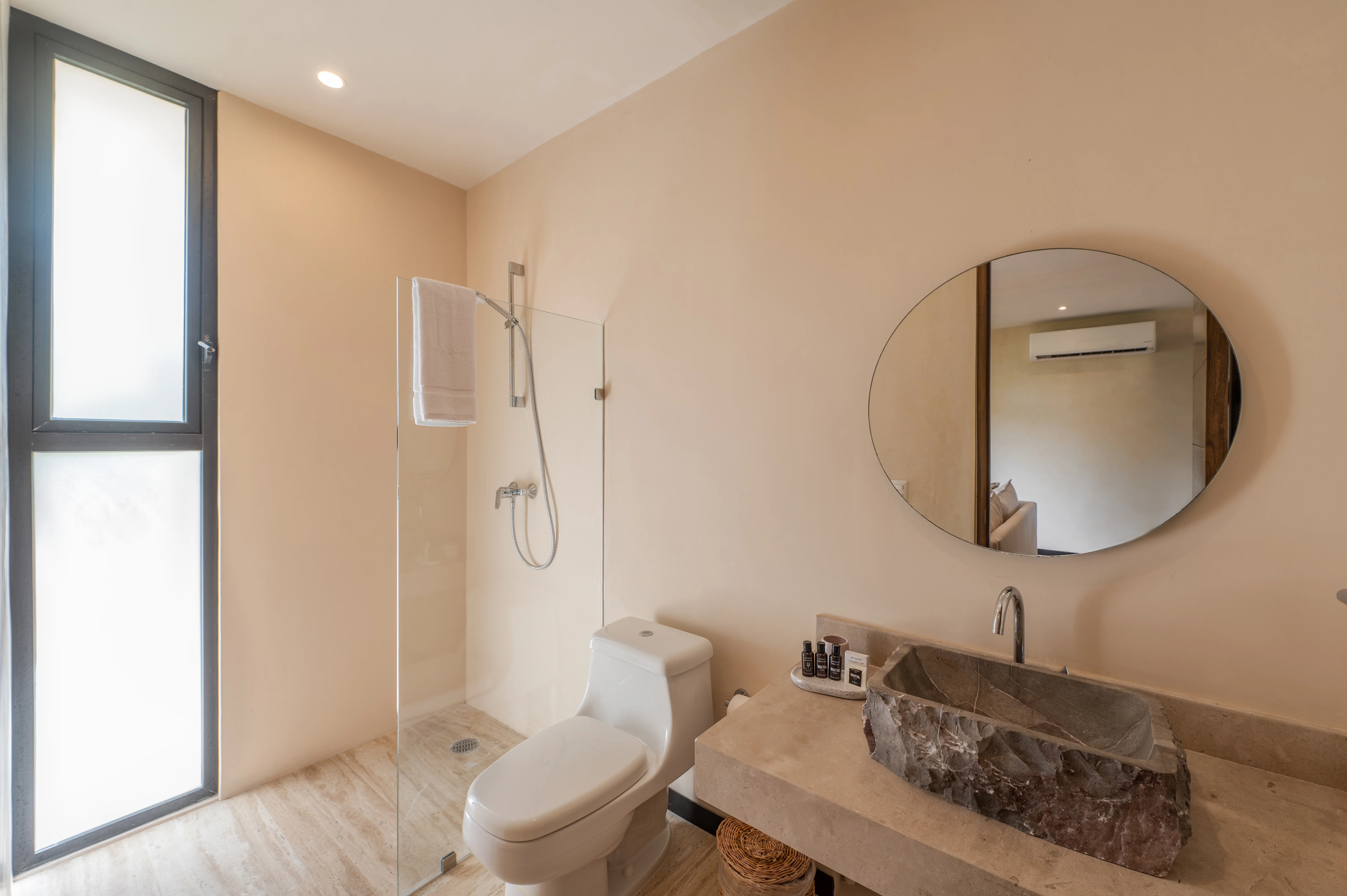
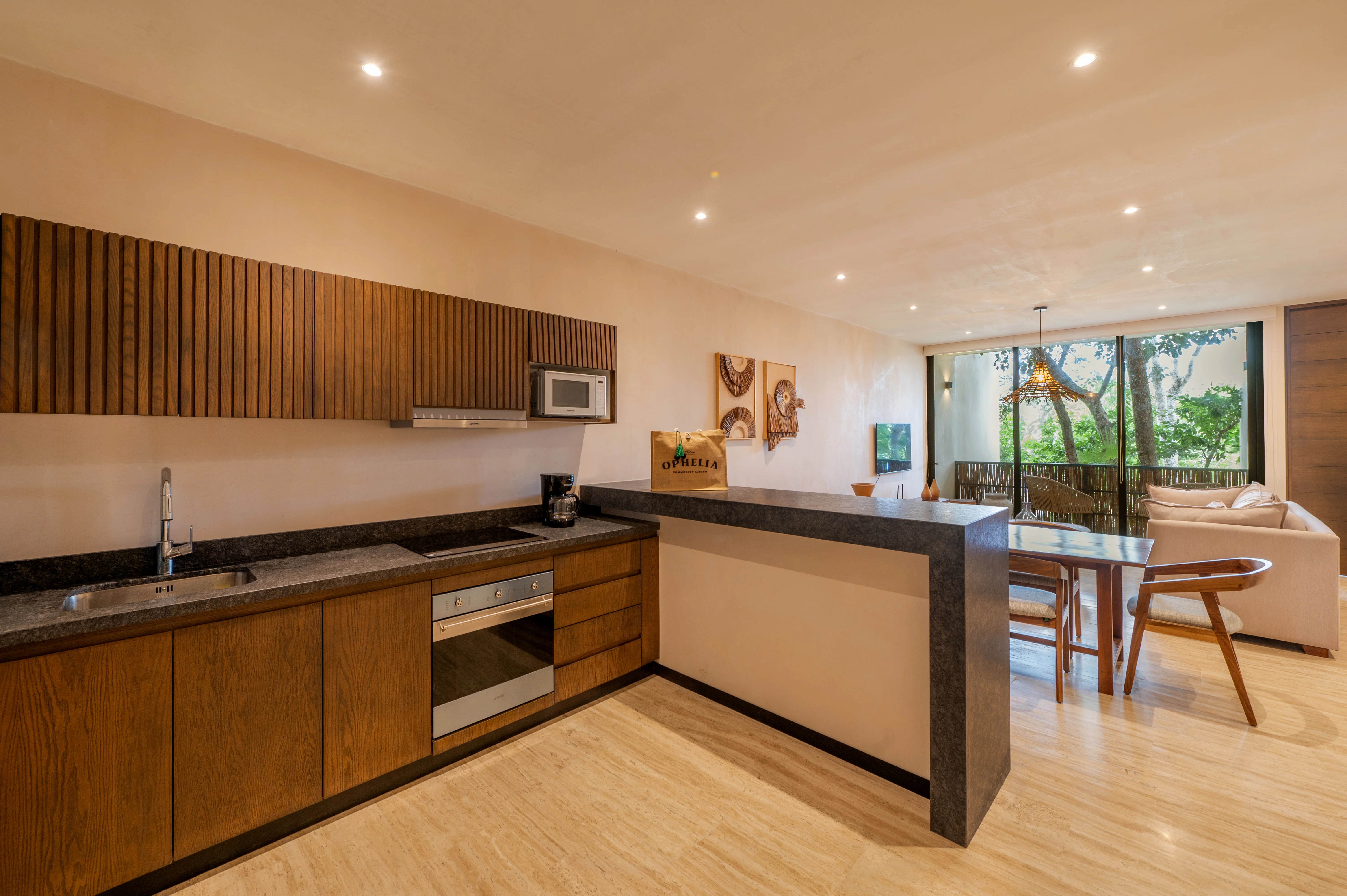
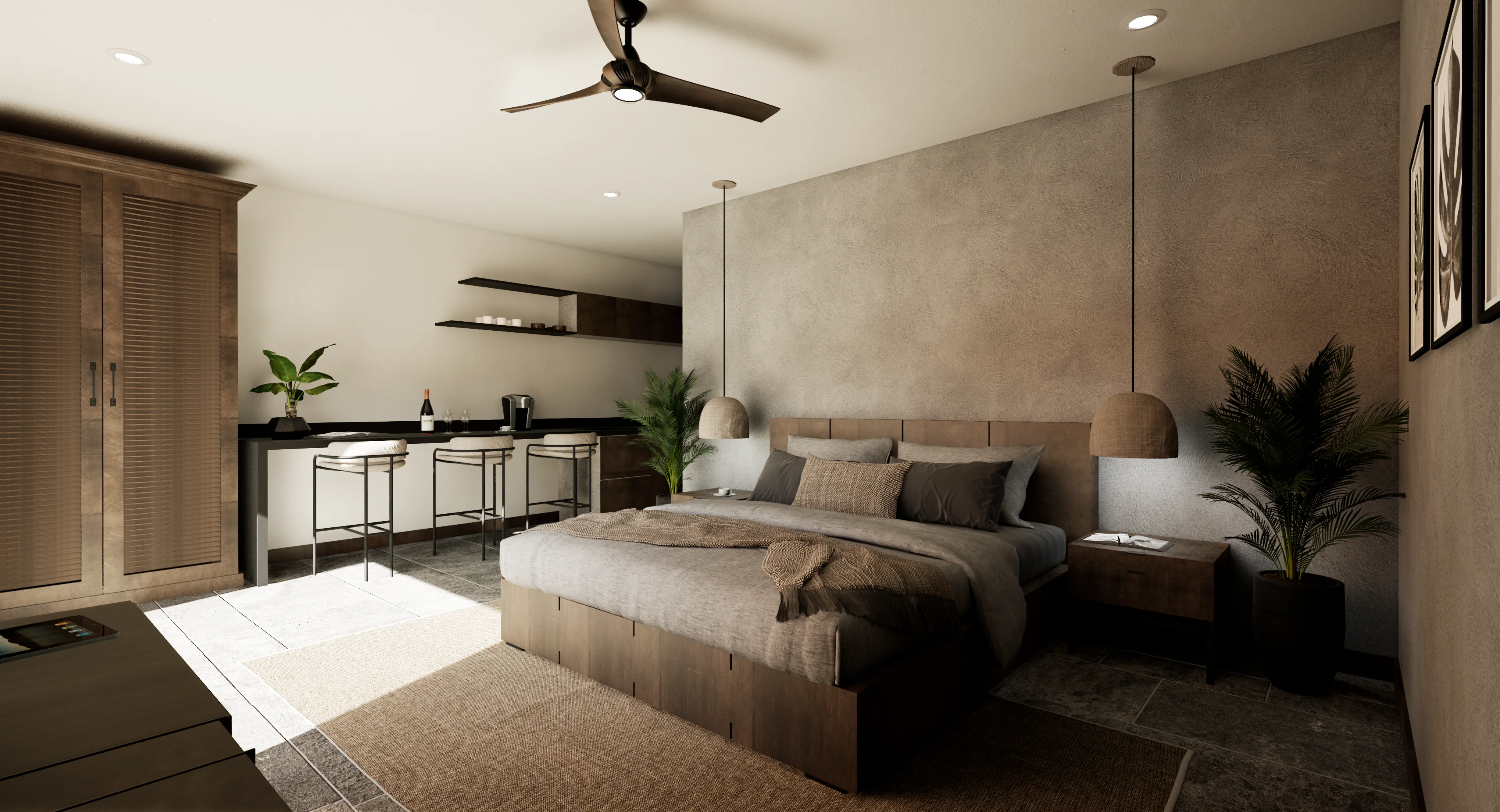
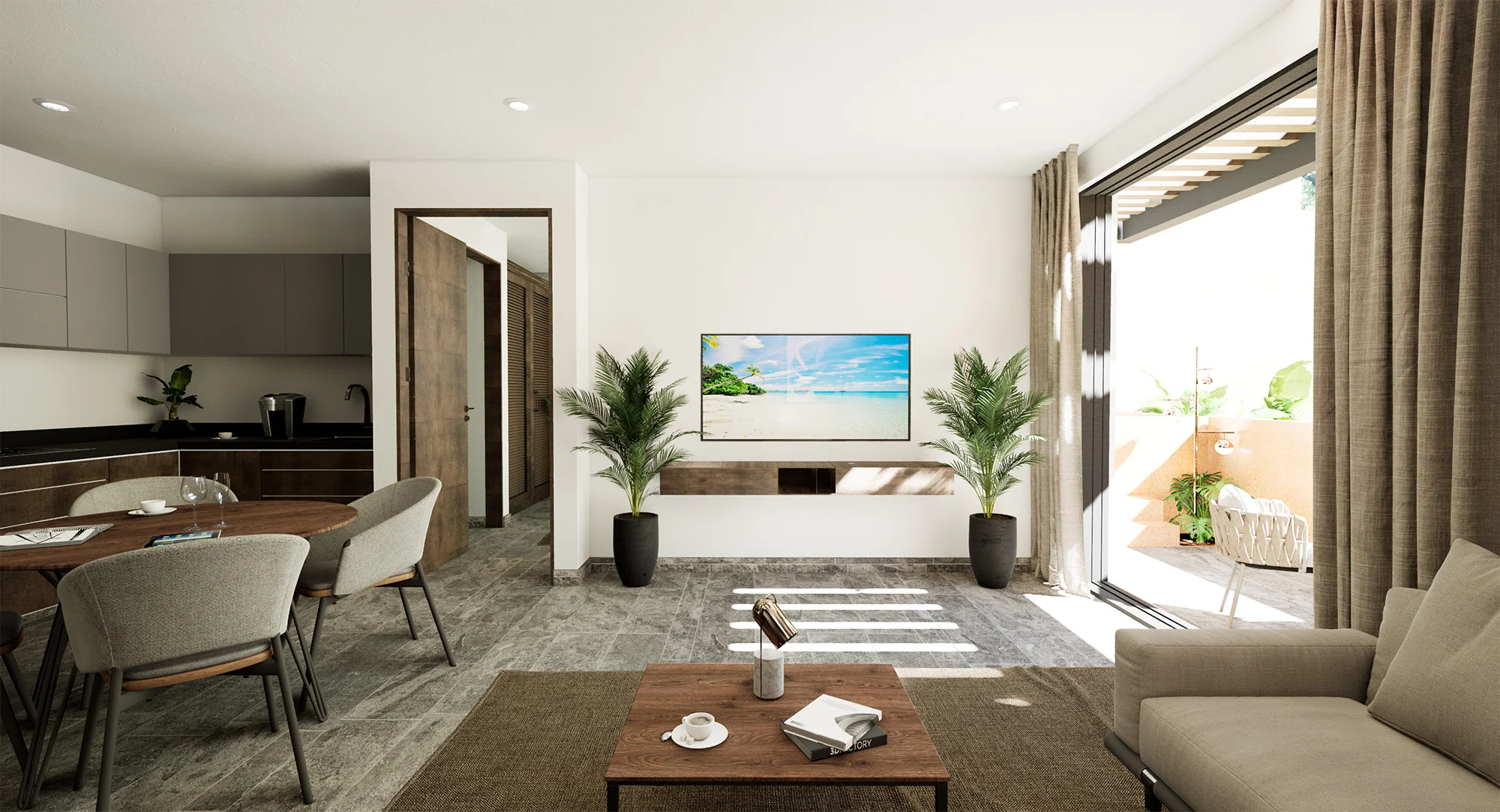
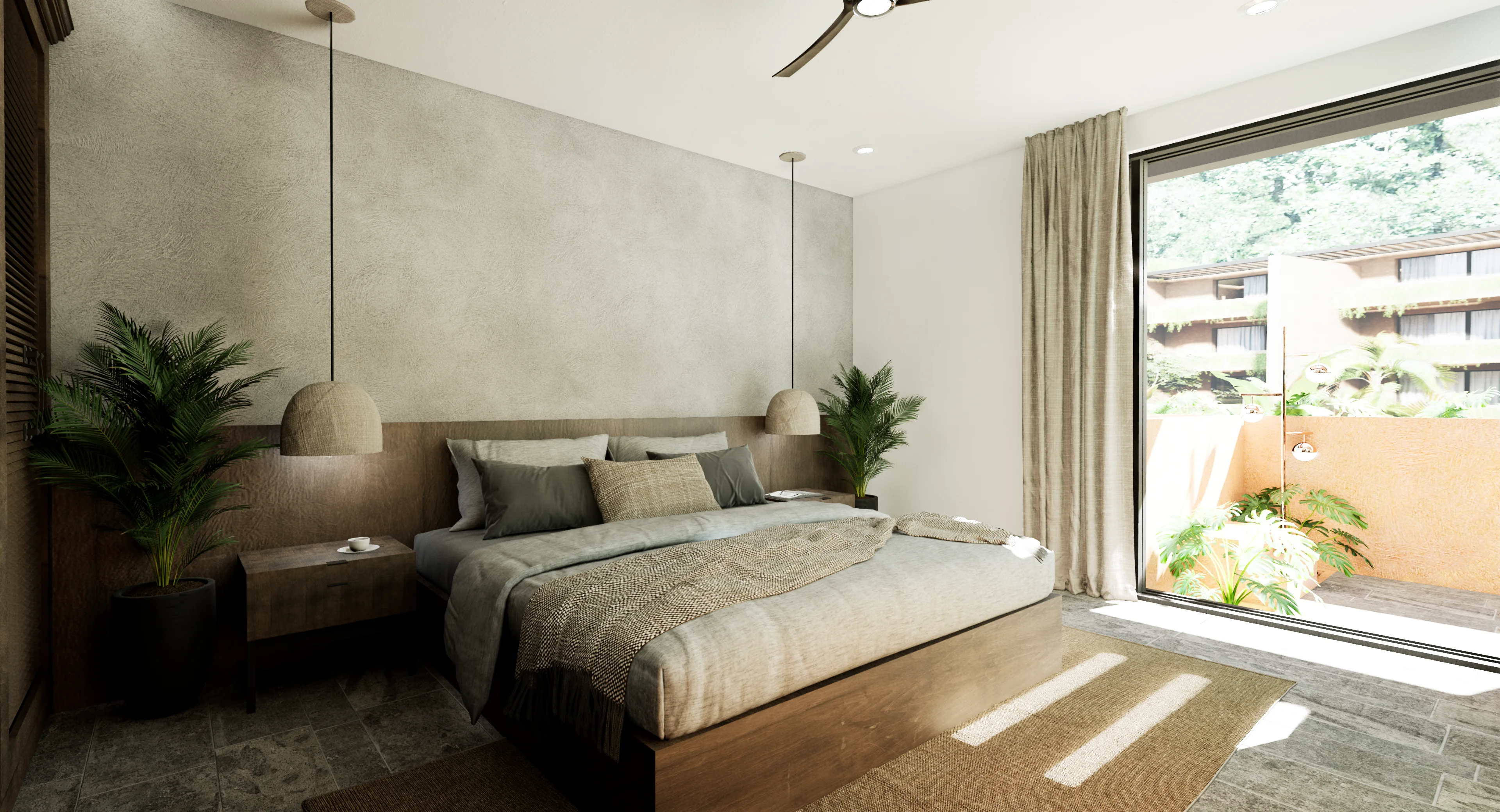
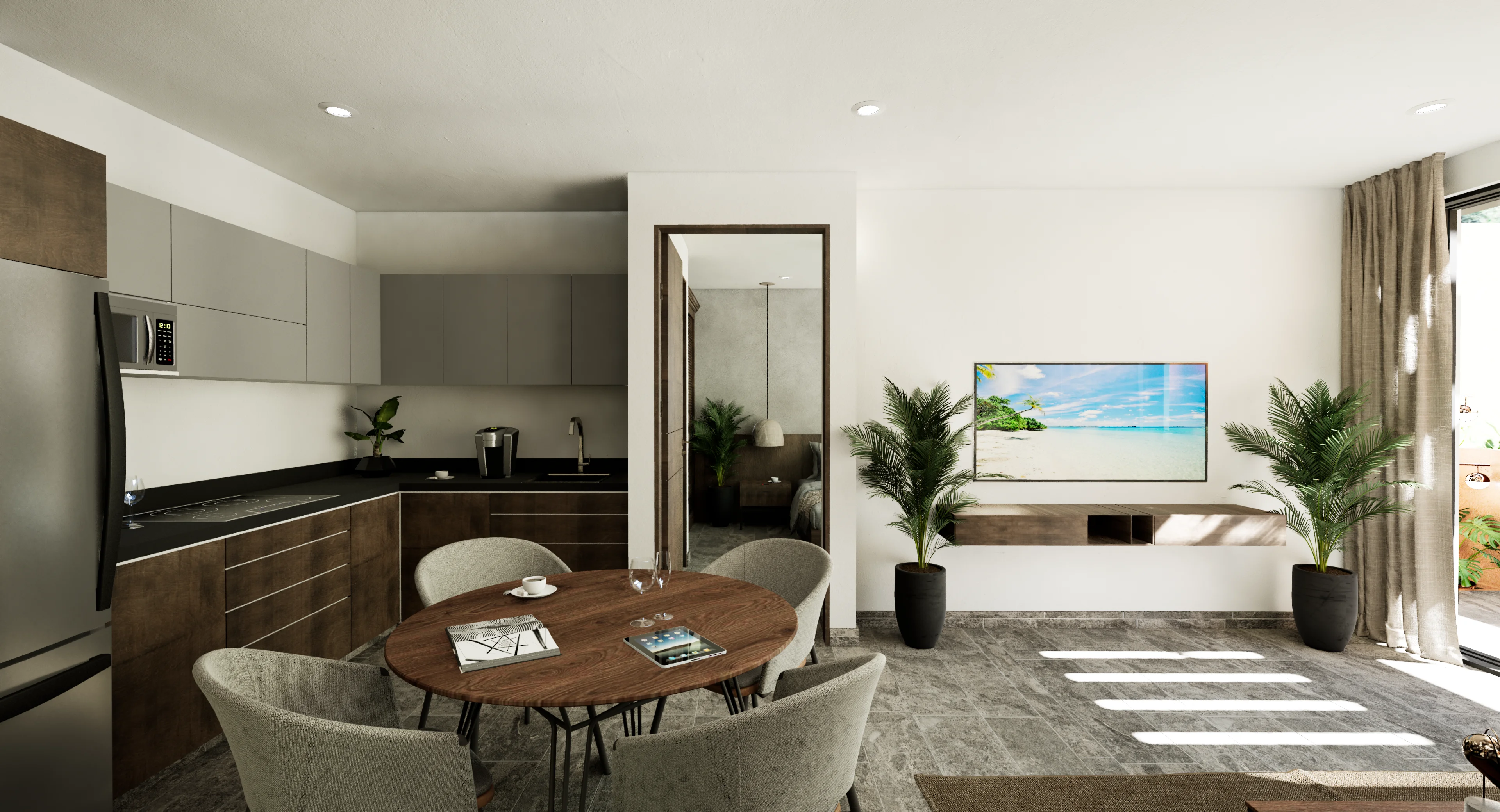
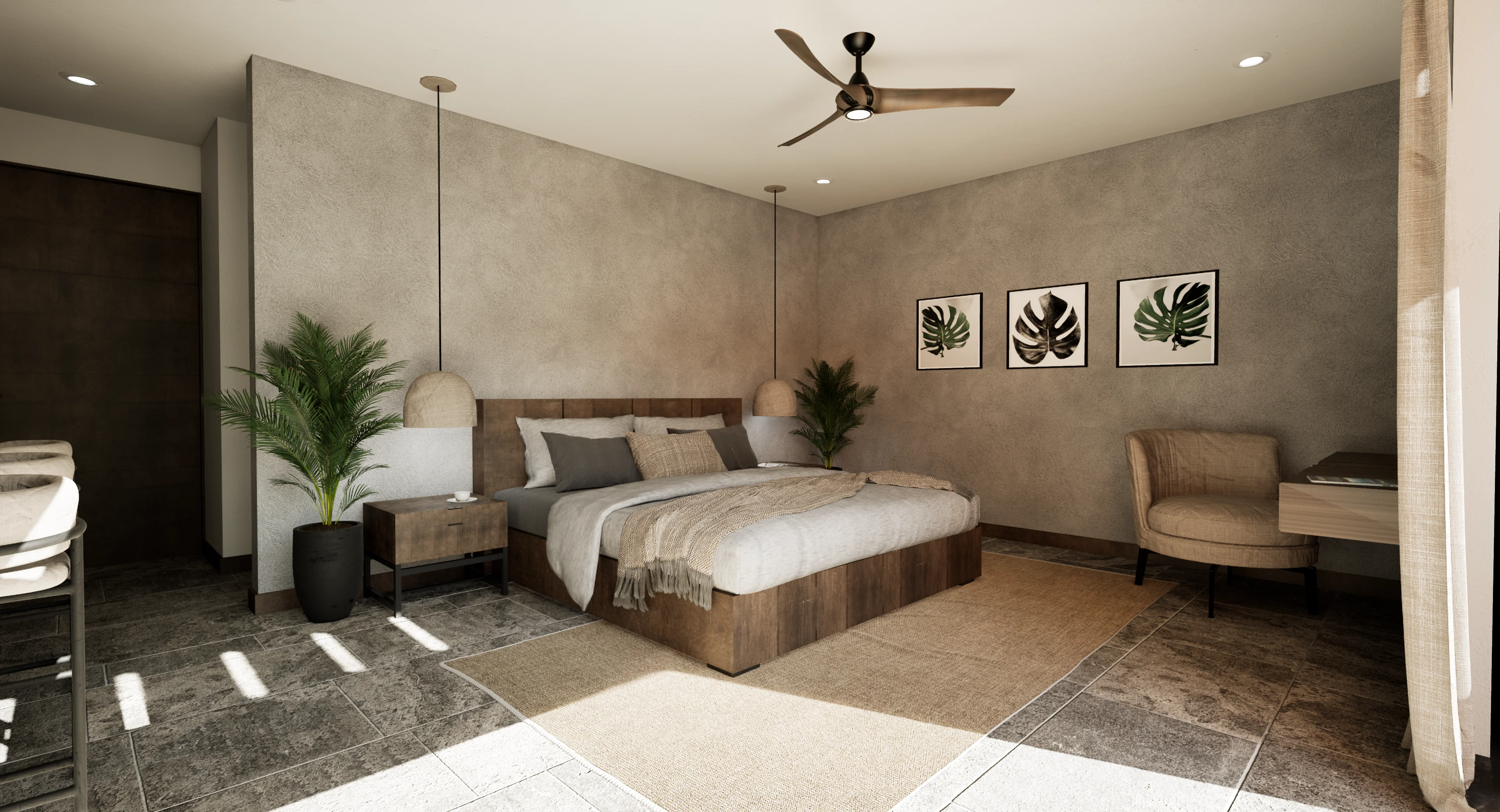
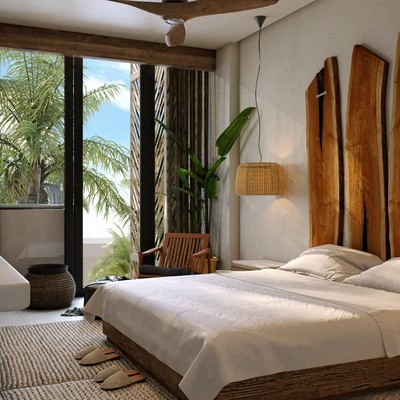
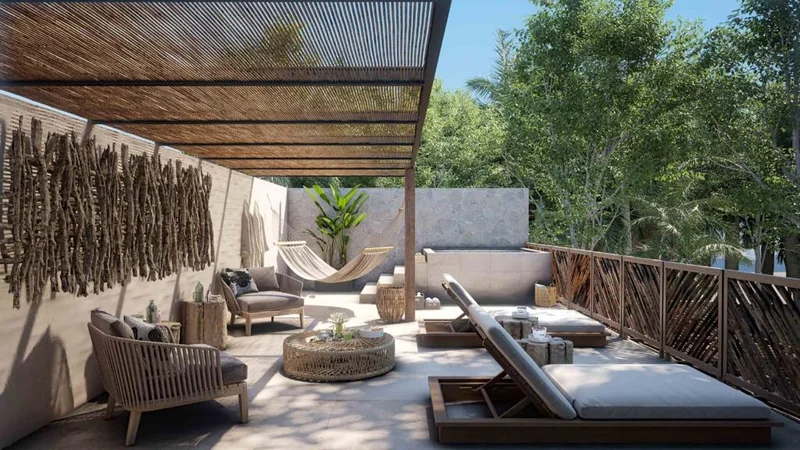
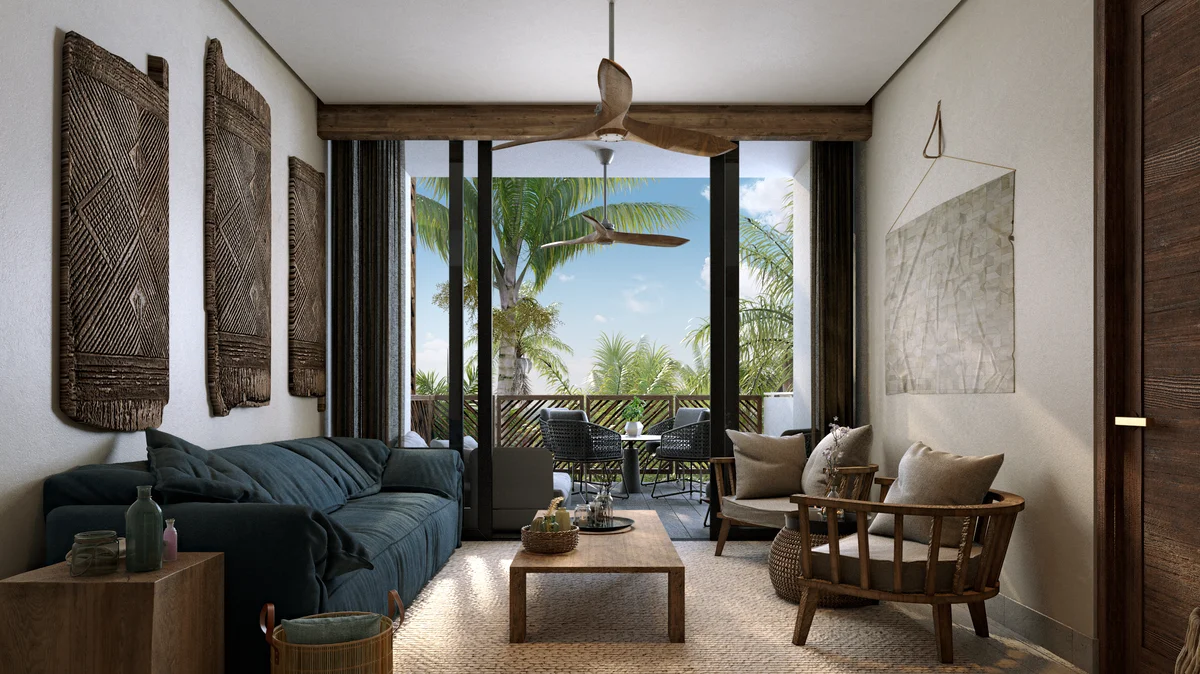
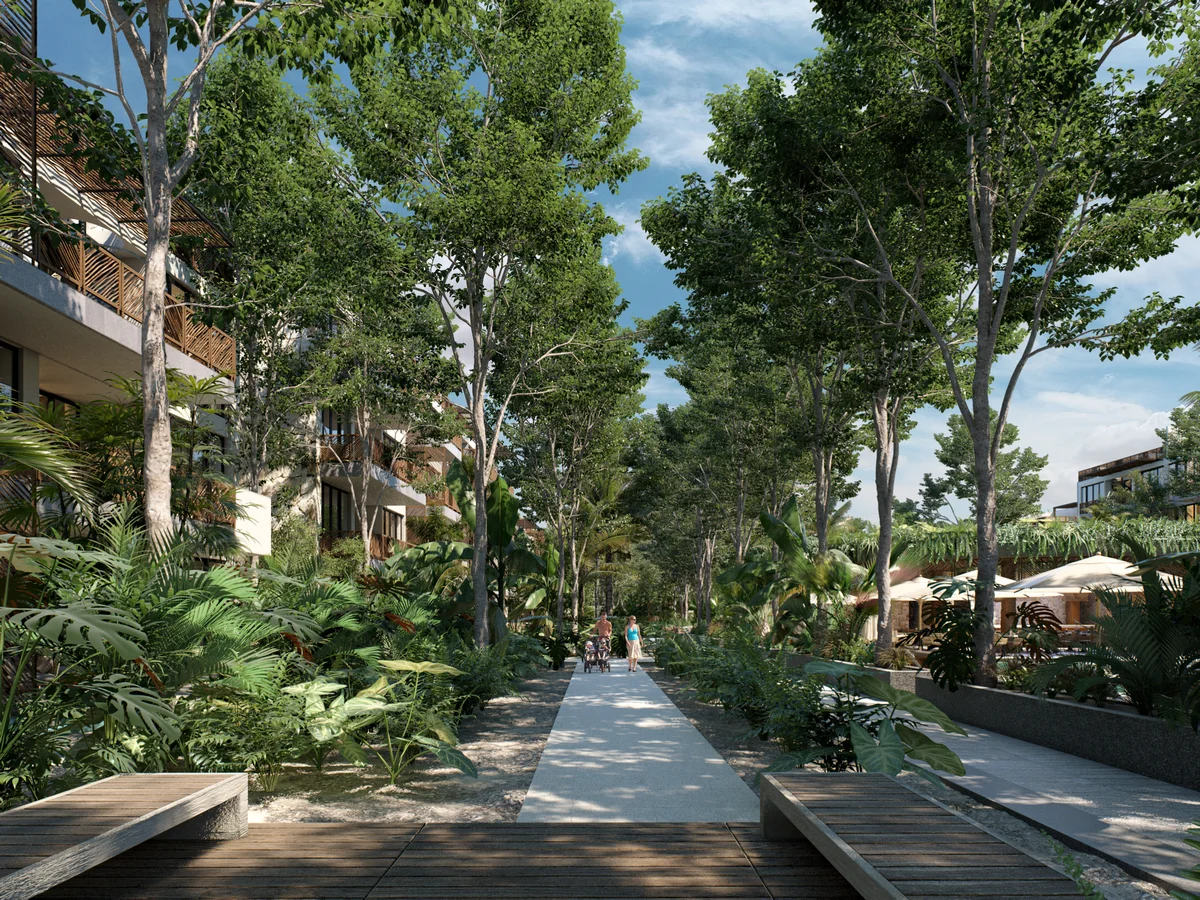
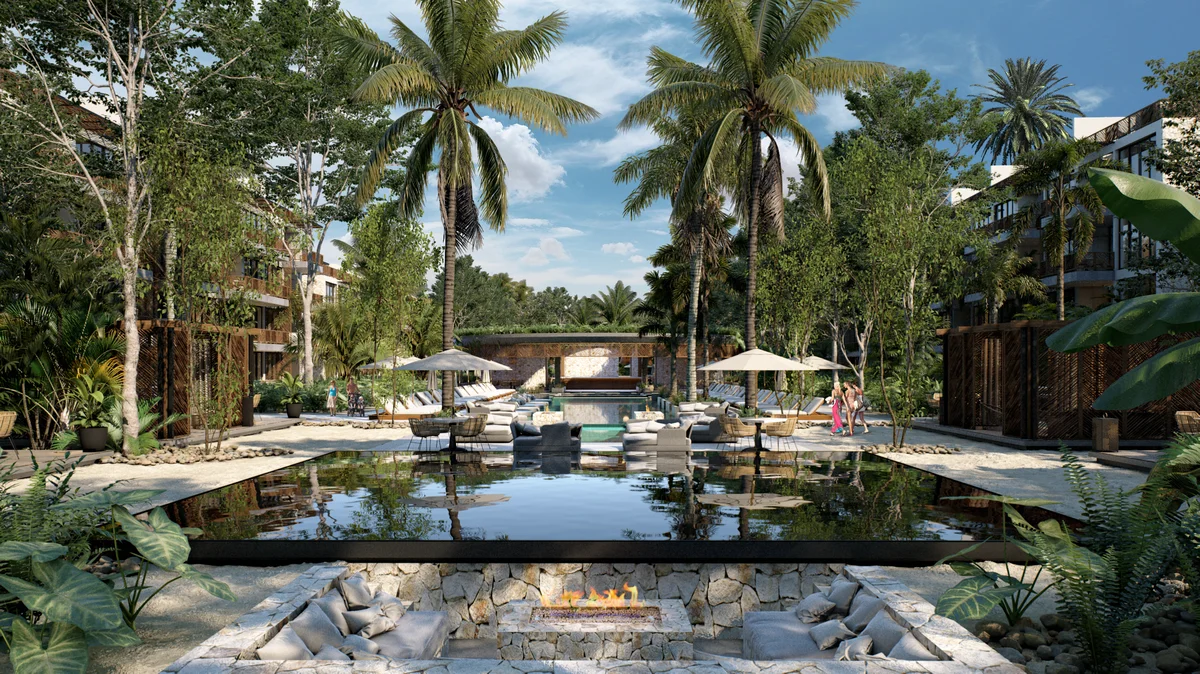
Amana presents a unique vision of sophisticated and sustainable living, offering a comprehensive community that integrates luxury residences with a bustling commercial walk, providing residents and visitors with a wide range of services. This development is deeply committed to environmental well-being, incorporating features such as solar panels , a water treatment plant , rainwater collectors , and the use of ecological construction materials to minimize its footprint. The project offers a range of properties, including condos , studios , and commercial properties , catering to diverse investor needs.The strategic value of Amana lies in its prime location in Tulum, with proximity to the beach and vibrant commercial promenade, offering a unique blend of luxury condominiums and eco-friendly features . The development provides full hotel services and an optional rental program , presenting a strategic investment opportunity for those seeking a permanent residence, a vacation home, or a savvy investment. With its extensive list of amenities, including multiple swimming pools , padel tennis courts , minigolf , walking trails , indoor and outdoor gyms , and BBQ areas , Amana caters to every taste and age, ensuring a seamless and luxurious experience. Attractive financing options are available, enhancing the investment viability of this unique project.
PRICE RANGE
CITY
Tulum
REGION
Av Coba Sur
BEDROOMS
0
2
TYPES
Commercial Property
Condo
SURFACE
37
–
160
m²
AI RATING
Opportunistic
FINANCING PLANS
Available
DEVELOPER
DELIVERY DATE
Investment Thesis
A Strategic Opportunity in a Corrected Market: Acquiring a Differentiated Asset in Tulum's Luxury Sector
The investment thesis is to acquire a high-amenity asset within a market experiencing a deep correction. As of Q4 2025, the Tulum real estate market is defined by a critical oversupply of condominium inventory, which has precipitated a 40% drop in demand and a collapse of the short-term rental market. The subject asset, Amana, directly reflects this market stress, having achieved only a 4% sales velocity (1 of 28 units sold). This environment presents a rare opportunity for a specific investor profile to acquire a quality asset at a significant discount to potential long-term value, leveraging its integrated hotel operation and superior sustainability infrastructure to capture a disproportionate share of rental demand and attract future, quality-focused capital. This is an acquisition strategy predicated on a flight-to-quality within a distressed market, not on expectations of a near-term recovery.🛡️ Foundational Market Strengths (Beta)
Despite the severe current correction, the long-term value proposition of Tulum is underpinned by structural catalysts that are now operational. These foundational elements provide a baseline for future market stabilization and recovery, independent of the asset's specific attributes.- Strategic Infrastructure Completion: The recent completion of the Tulum International Airport and the operational status of the Tren Maya system are fundamental, long-term drivers of accessibility. These projects are expected to structurally enhance tourist and investor inflow once market conditions normalize.
- Enhanced Urban Livability: The conclusion of the 2022 PACTUM 32-month mobility plan has delivered substantial city-level infrastructure upgrades. While specific investment figures for the plan were not itemized in the provided data, its conclusion has qualitatively improved the urban core with new sidewalks and an extensive network of cycle paths, enhancing long-term livability.
- Enduring Brand Equity: Tulum's global brand as a premier wellness and eco-conscious destination remains a powerful, albeit qualitative, asset. Market intelligence confirms that the luxury and eco-niche sectors retain a degree of resilience, suggesting that the destination's core allure persists through the current cyclical downturn.
💎 Competitive Advantages (Alpha)
In a commoditized and oversupplied market, the asset's specific operational and physical attributes provide a defensible competitive advantage. These alpha drivers are designed to mitigate market-wide risks and attract a more discerning, resilient tenant and buyer demographic.- Integrated Hotel Operation: The professional management and standardized service level inherent in a hotel operation directly counter the primary weakness of the current rental market: inconsistent quality and poor management from individual owners. This positions the asset to capture premium rental rates, which have demonstrated greater resilience in a market characterized by a clear bifurcation between luxury and standard offerings.
- On-site Water & Sustainability Infrastructure: The development's on-site water treatment directly mitigates one of the most significant regional risks identified: inadequate municipal water and sewage systems. This operational self-sufficiency is a critical differentiator that ensures a higher quality of life and operational resilience, insulating it from systemic public infrastructure failures.
- Curated Wellness Ecosystem: The comprehensive amenity package, including a SPA and meditation areas, aligns directly with Tulum's core brand identity. In a market saturated with generic condominiums, this curated lifestyle offering targets the resilient eco-conscious and wellness-focused demographic, which continues to drive premium demand despite the broader market slump.
📈 Strategic Outlook & Risk Analysis
- 🔴 Primary Market Risk: A critical oversupply of condominium inventory, evidenced by a 40% slowdown in demand, which has crashed the short-term rental market.
- 🔴 Inventory Exposure: The asset's available typologies (Garden, Living, PH) fall directly within the most oversupplied one and two-bedroom apartment segment, indicating maximum exposure to competitive pressure on rental rates and occupancy.
- 🟢 Strategic Confidence: Confidence is rated as Moderate. While the alpha drivers are significant service and quality differentiators, they do not insulate the asset's standard condominium inventory from the severe market-wide oversupply and demand shock.
- 🟢 Core Rationale: The investment thesis is to acquire a high-amenity asset within a market experiencing a deep correction (evidenced by a 40% demand slowdown), leveraging its integrated hotel operation and superior sustainability infrastructure to capture a disproportionate share of rental demand and attract long-term, quality-focused capital.
🎯 Ideal Investor Profile
This opportunity is exclusively suited for a long-term (5-10 year) cash investor with a high-risk tolerance. The ideal party is not reliant on immediate rental yield, as plummeting rates across the market indicate that most assets currently only cover expenses. Instead, the investor profile is one specifically seeking a 'flight-to-quality' entry point within a distressed cycle, willing to weather near-term volatility—including a projected U.S. economic slowdown to 1.6% GDP growth in 2025—for potential long-term capital appreciation. The requirement for substantial upfront capital, evidenced by developer financing plans demanding 60% to 80% down payments , underscores the necessity of a well-capitalized, patient investor who values professional management and resilient infrastructure as the primary risk mitigants.Amenities
Wellness-Focused Living in Tulum's Relaxed Atmosphere
Experience the ultimate in eco-friendly luxury with Amana 's curated amenities, designed to elevate your well-being and investment potential.- 🌿 Eco-Friendly Features: Sustainable living with solar panels and rain collectors.
- 🏋️♀️ Wellness Areas: Private gyms, spa, and meditation spaces for holistic wellness.
- 🍴 Dining Options: Gourmet restaurant, cafe, and ice cream shop for diverse culinary experiences.
- 🏊♀️ Pools and Water Features: Lap pools, rooftop pools, and jacuzzis for relaxation and entertainment.
- 🌴 Outdoor Spaces: Private gardens, walking trails, and cabanas for serene outdoor living.
- 🎾 Recreational Activities: Padel tennis court, minigolf, and coworking space for socialization and productivity.
- 🔥 Fire Pit and Grill Areas: Cozy gathering spaces for warm evenings and outdoor dining.
- 👧 Kids' Corner and Pet Area: Dedicated spaces for families and pet owners to enjoy.
- 🛍️ Market and Convenience: On-site market and room service for effortless living.
- 🔒 Security and Concierge: 24/7 surveillance and personalized support for peace of mind.
- Also Includes: A comprehensive suite of services including 24/7 security, high-speed Wi-Fi, resident parking, and full concierge support.
Wellness & Recreation
Services & Comfort
20.2068167
-87.449237
Amana
Neighborhood
Immerse Yourself in Tulum's Unique Blend of Culture and Wilderness
In the heart of Tulum, a new standard of luxury living emerges, where the boundaries between nature, wellness, and sophistication blur. The Sustainable Luxury Retreat is strategically positioned to offer its residents an unparalleled quality of life, combining the tranquility of the jungle with the vibrancy of a thriving community. This prime location is a haven for affluent individuals and families seeking a luxurious, environmentally conscious, and relaxing lifestyle, with a focus on health, wellness, and sustainability.The Doorstep Experience
The immediate surroundings of The Sustainable Luxury Retreat are a testament to Tulum's evolving culinary and cultural scene. Within a short walking distance, residents can indulge in a variety of gourmet experiences, from artisanal coffee to exquisite dining, setting the tone for a lifestyle that values community, wellness, and the finer things in life.- ☕️ Jade Tulum Coffee - Just a minute's walk away, this cozy coffee shop is the perfect spot to start your day, offering a blend of local flavors and international flair that caters to the diverse tastes of our residents.
- 🍴 Siete Fuegos Tulum - A 6-minute stroll leads to this esteemed restaurant, where the art of fine dining meets the warmth of Tulum's hospitality, providing our residents with a sophisticated dining experience that complements their luxurious lifestyle.
- 🍝 Campanella Cremerie - This charming cremerie, only 2 minutes away, is a haven for those with a sweet tooth, offering artisanal desserts and a cozy ambiance that appeals to families and individuals alike, enhancing the community's sense of warmth and togetherness.
- 🍴 El capitan - For a taste of Tulum's vibrant nightlife, El capitan is just a 5-minute walk away, offering a unique blend of cuisine and entertainment that caters to the diverse interests of our residents.
Neighborhood Highlights
Beyond the immediate doorstep, the neighborhood unfolds with a plethora of amenities and attractions that cater to every aspect of a luxurious, eco-friendly lifestyle. From gourmet markets to pristine beaches, every element is meticulously positioned to enhance the living experience, providing residents with a seamless blend of relaxation, adventure, and community engagement.- 🛍️ Súper Akí Tulum - For daily essentials and gourmet provisions, this supermarket is just an 8-minute drive away, ensuring that our residents have access to the finest products while supporting local suppliers and reducing their carbon footprint.
- 🏖️ Playa Paraíso - A 30-minute drive leads to this stunning beach, where crystal-clear waters meet powdery white sand, offering our residents a serene escape and a chance to reconnect with nature.
- 🍴 Onyx Tulum - This contemporary restaurant, a 6-minute drive away, showcases Tulum's culinary innovation, with dishes that blend local flavors with international techniques, appealing to the refined tastes of our discerning residents.
- 🍹 M tulum Hookah & Pool Lounge - For a vibrant evening out, this lounge is just a 6-minute drive away, offering a unique blend of entertainment and relaxation that caters to the social and leisure pursuits of our residents.
- 🍹 Batey Mojito and Guarapo Bar - This bar, a 6-minute drive from The Sustainable Luxury Retreat, is renowned for its creative cocktails and lively atmosphere, providing our residents with a sophisticated spot to unwind and socialize.
- 🍸 Mistico Tulum - Another gem in Tulum's nightlife, this bar offers an enchanting experience, with its mystical ambiance and exquisite drinks, catering to the diverse entertainment preferences of our residents.
Price List
Open price list in a new tabhttps://drive.google.com/file/d/1Rp5jt0v-VVippxt34rr7YjY5bWb9EJn5/view